Life Drawing Transformations
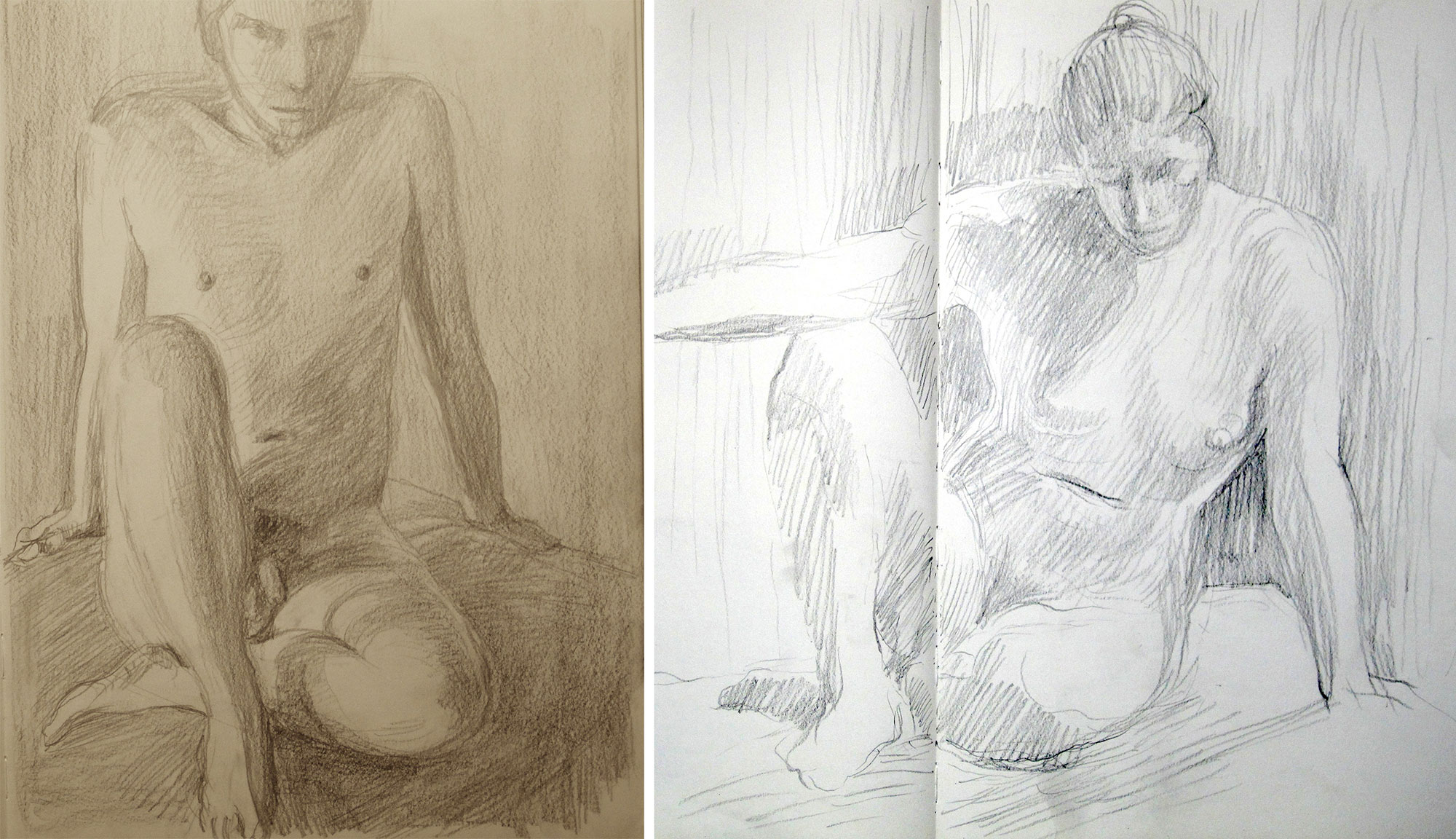
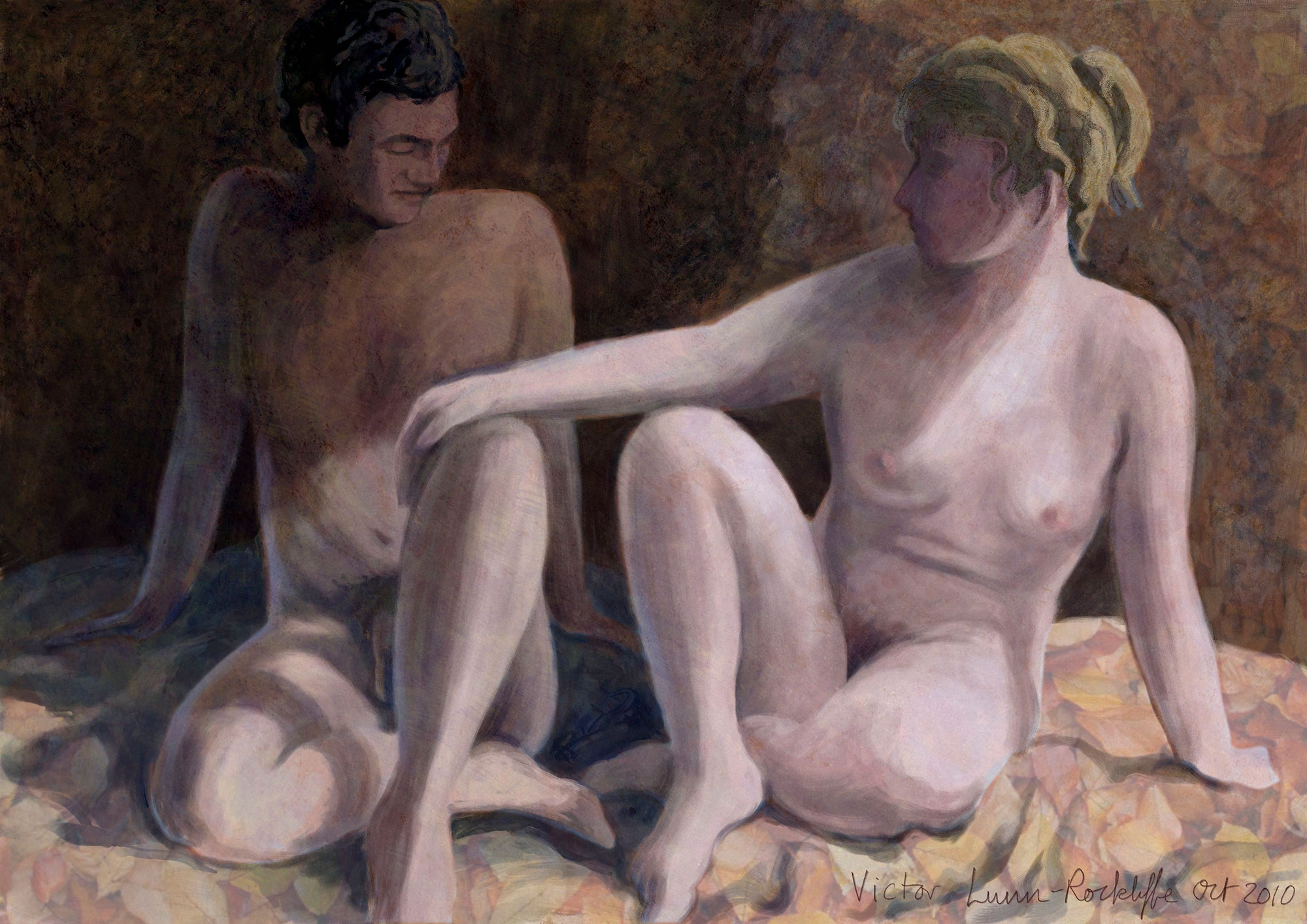
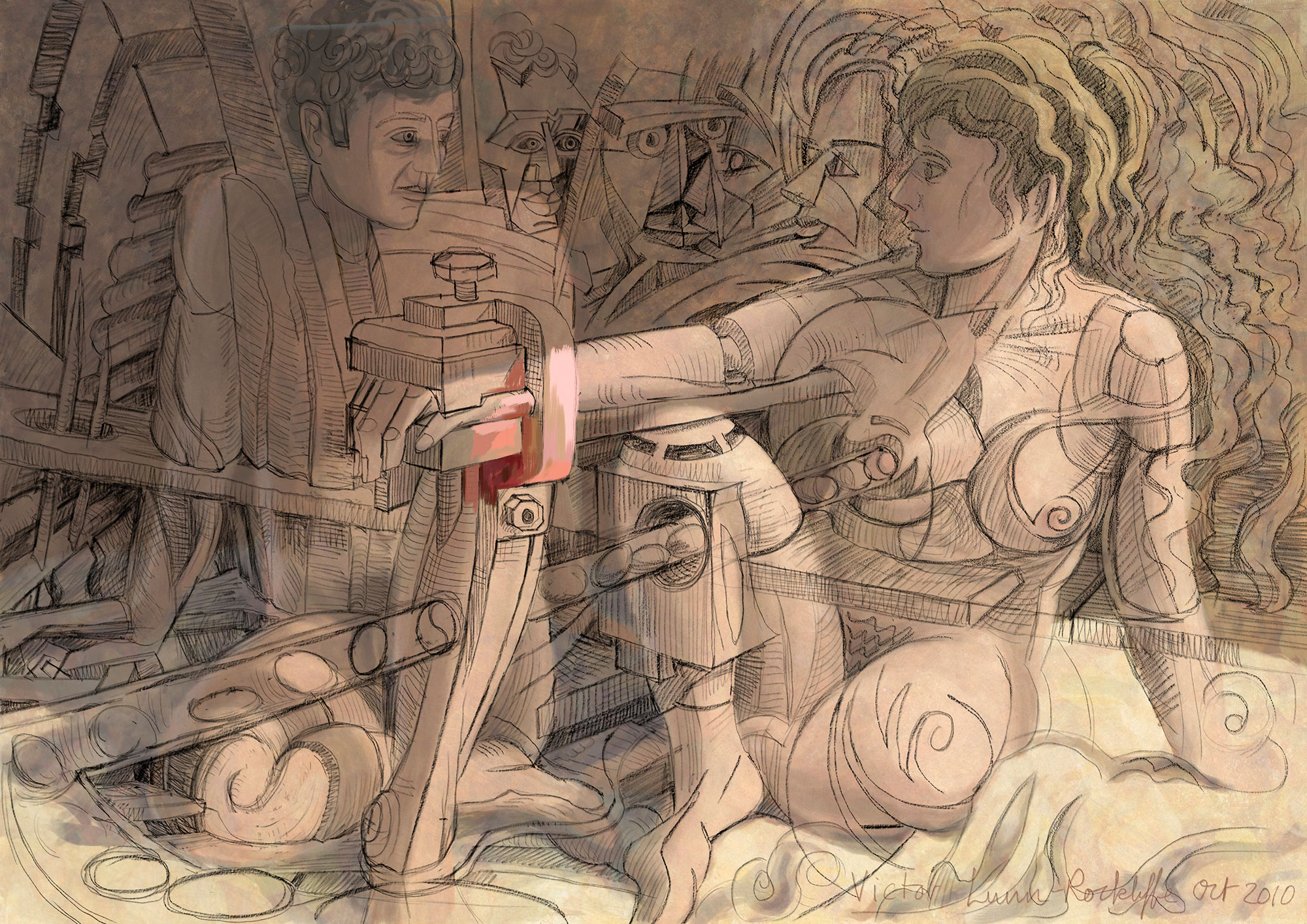
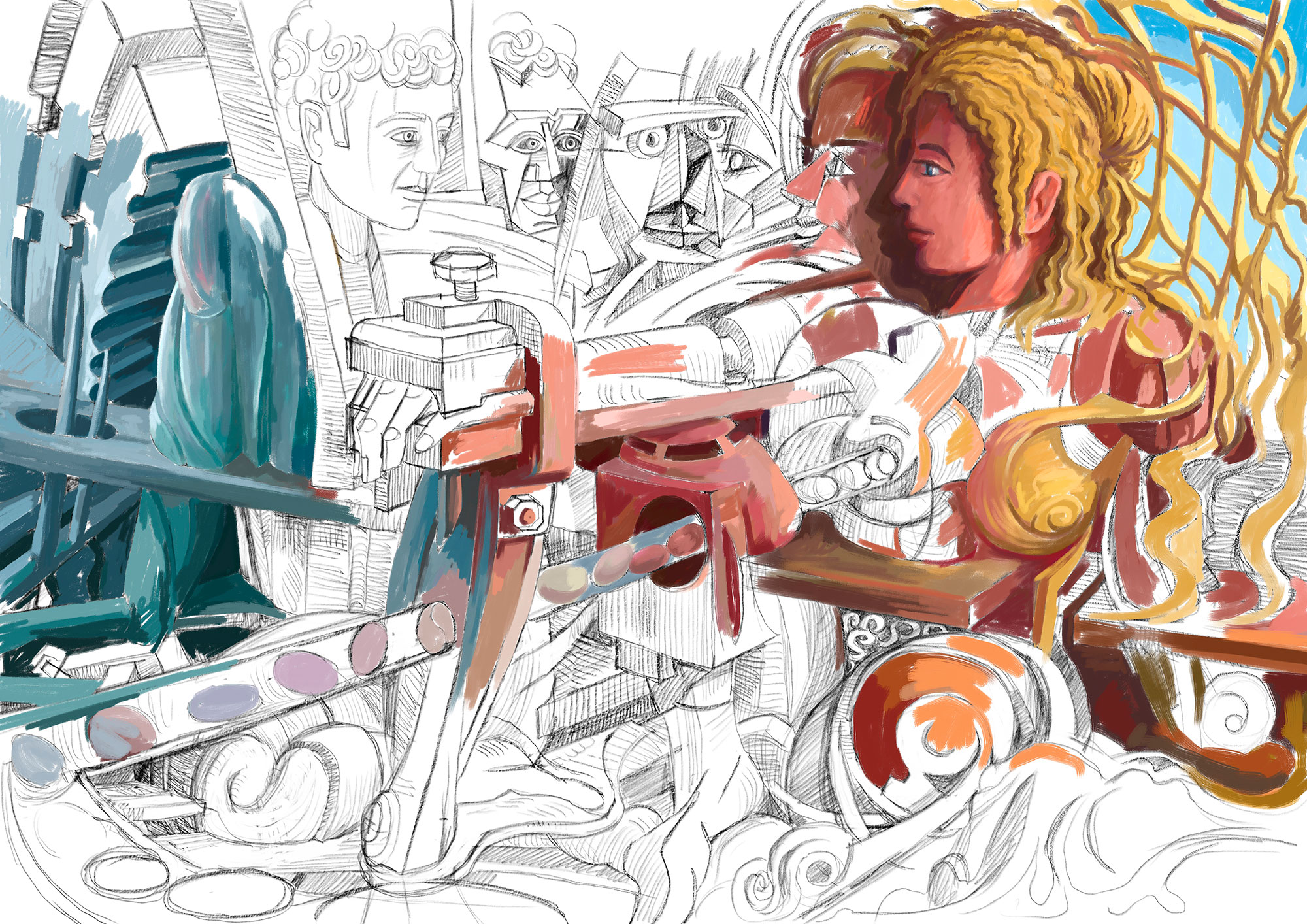
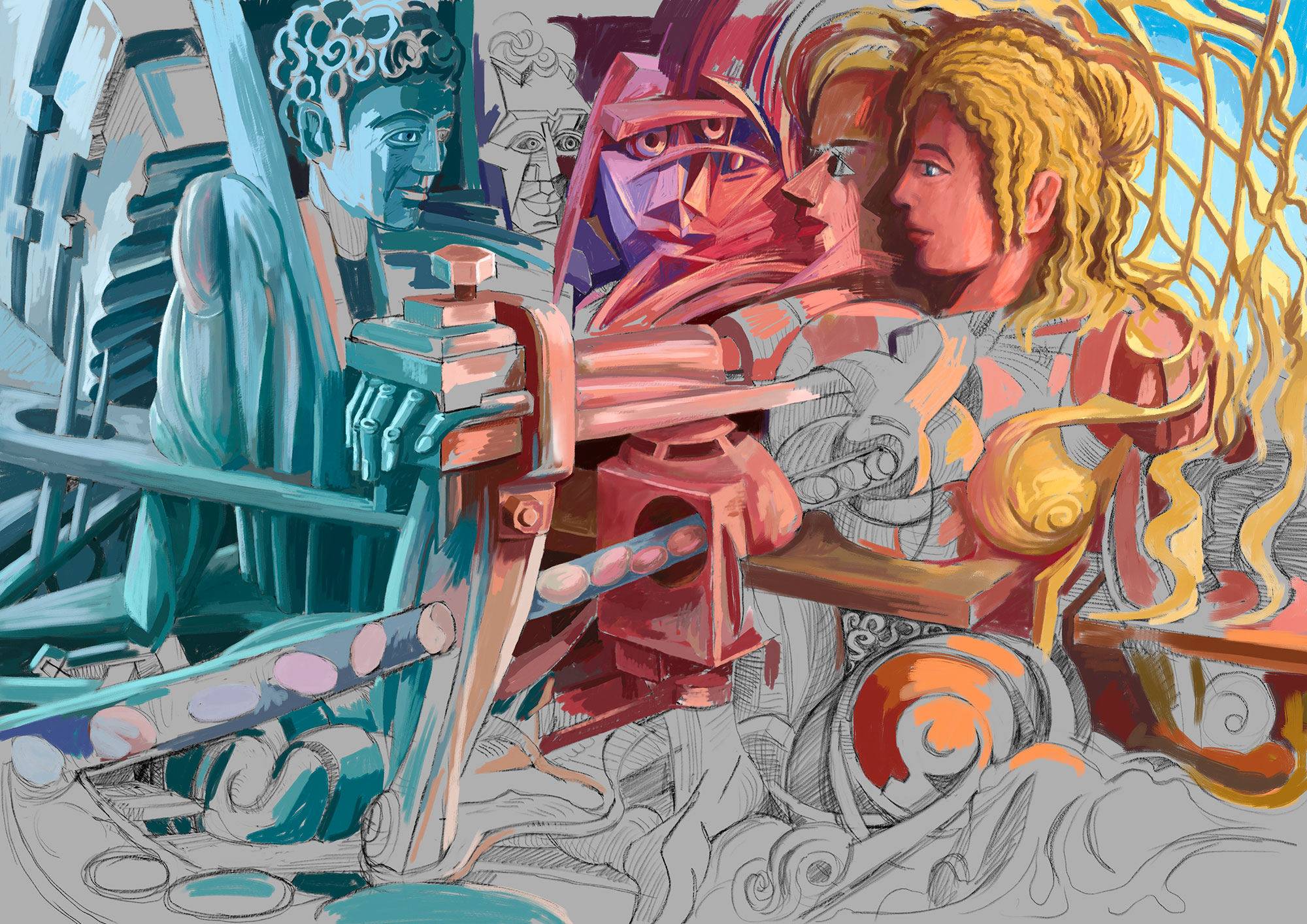
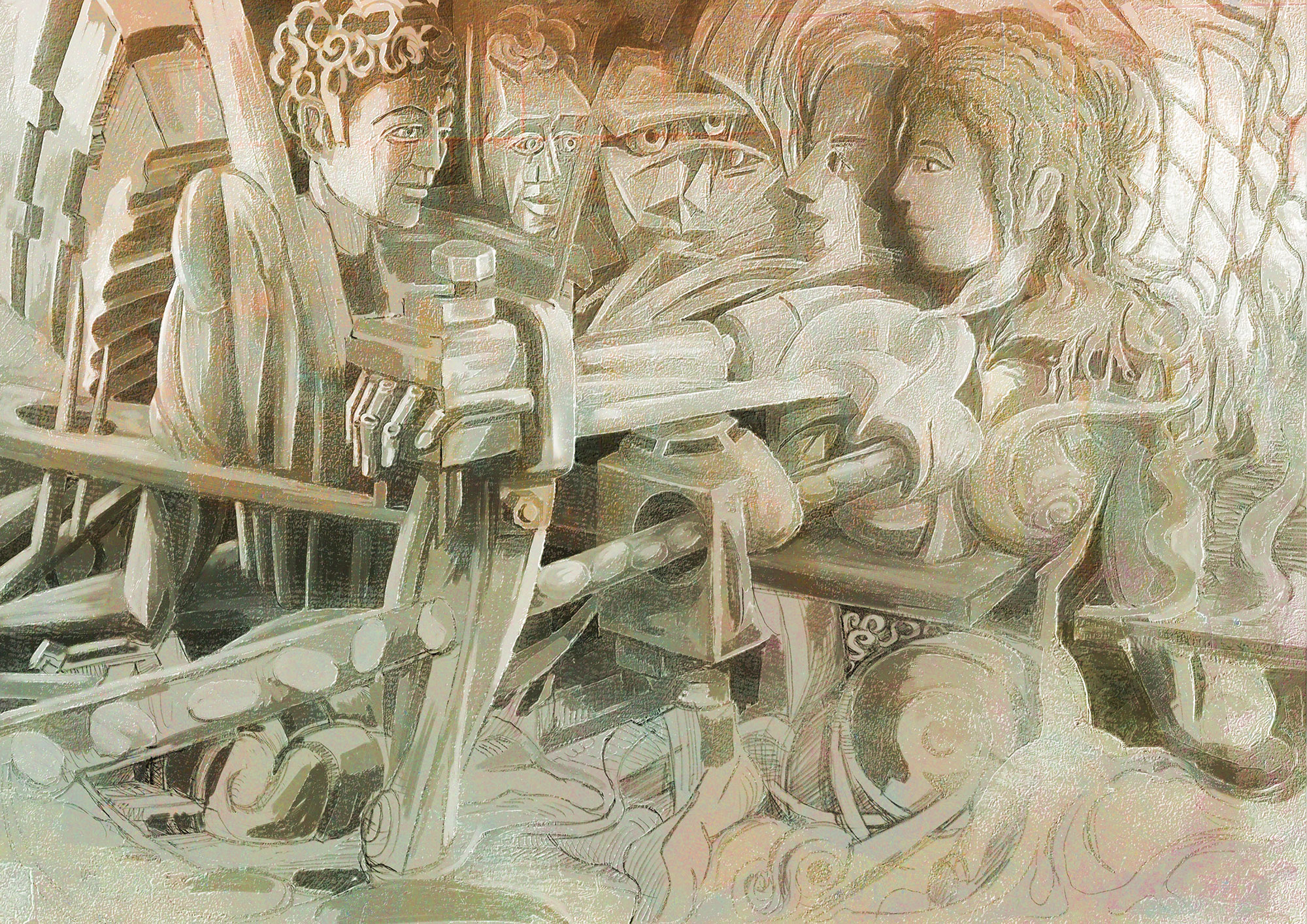
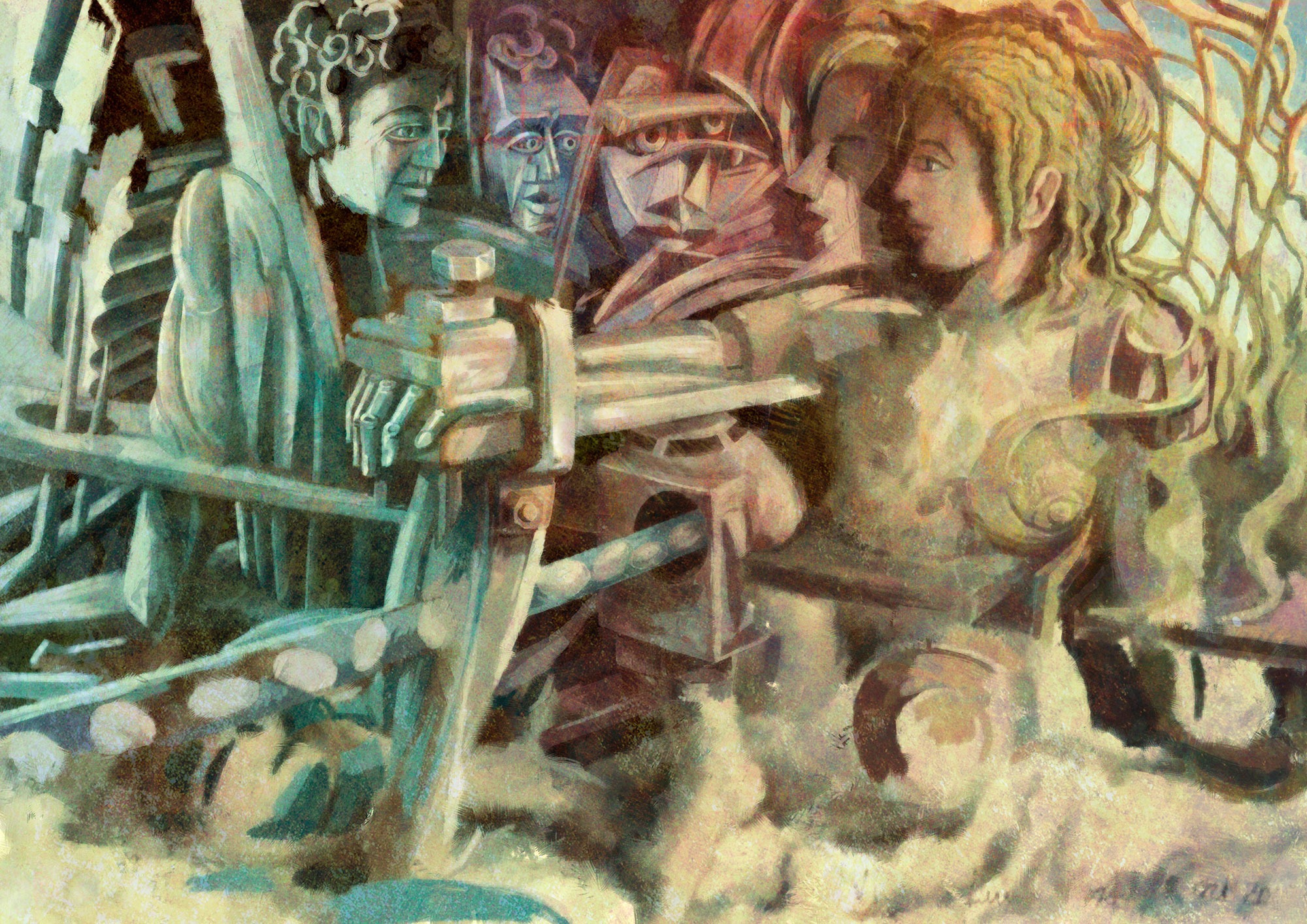
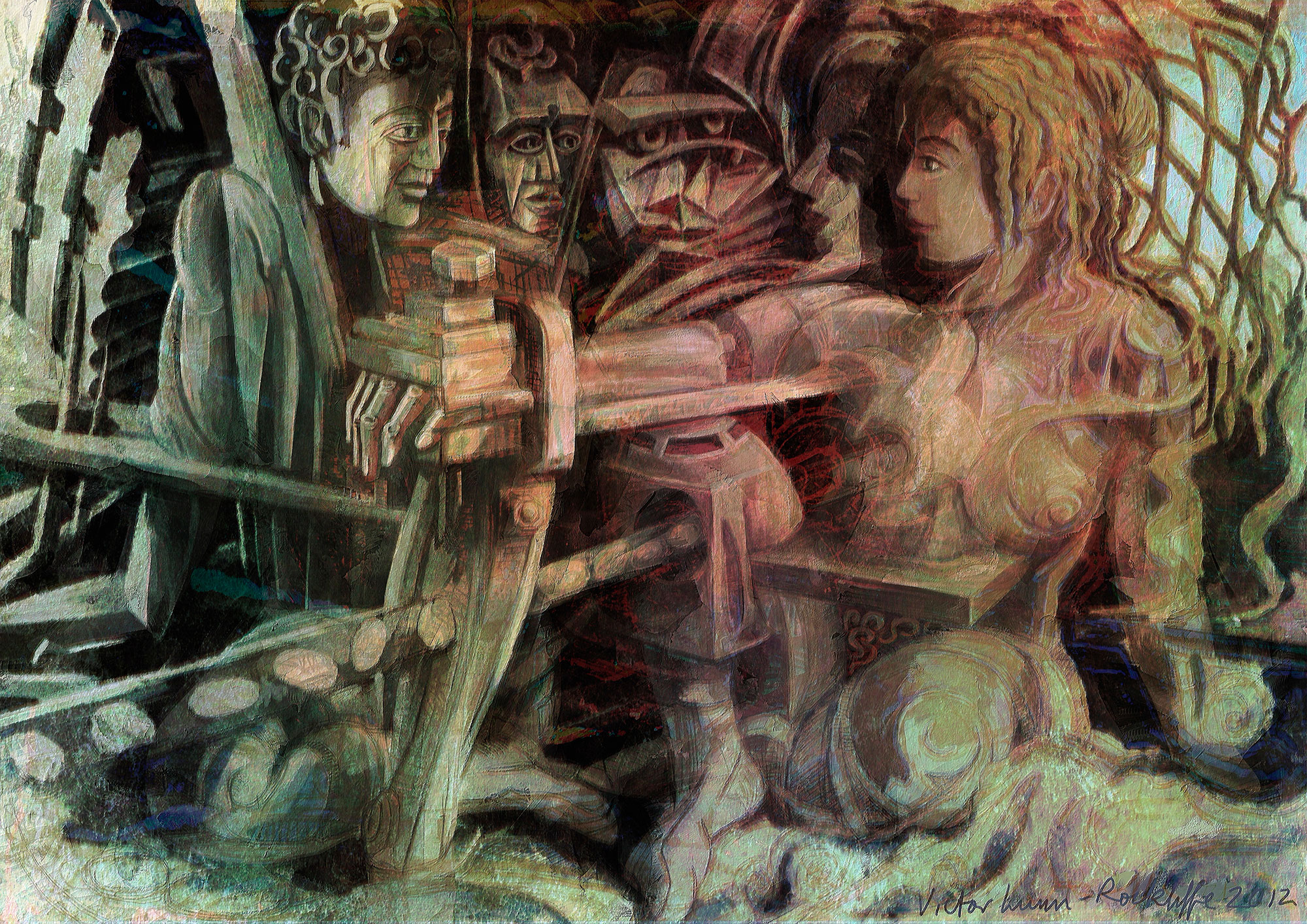
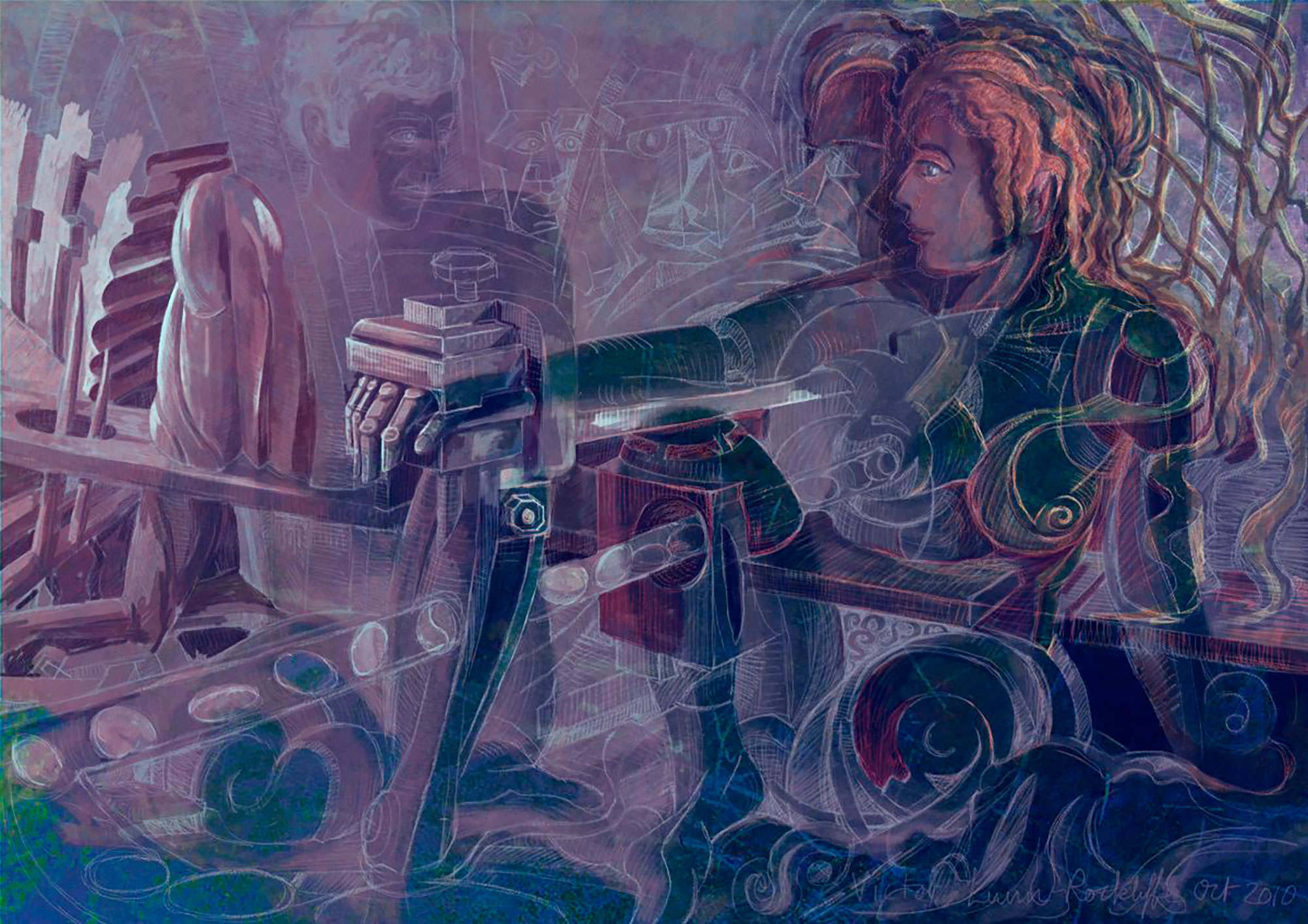
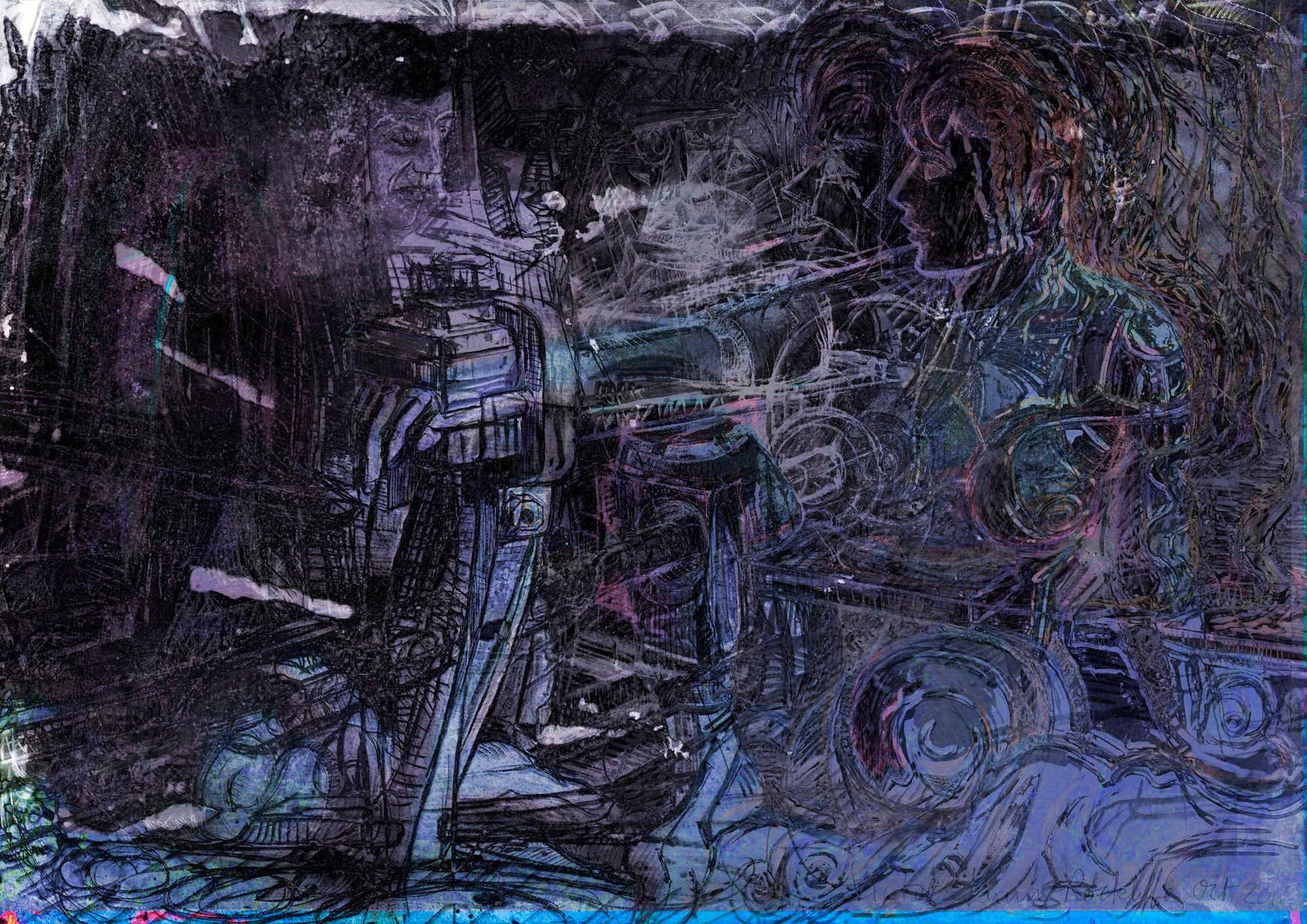
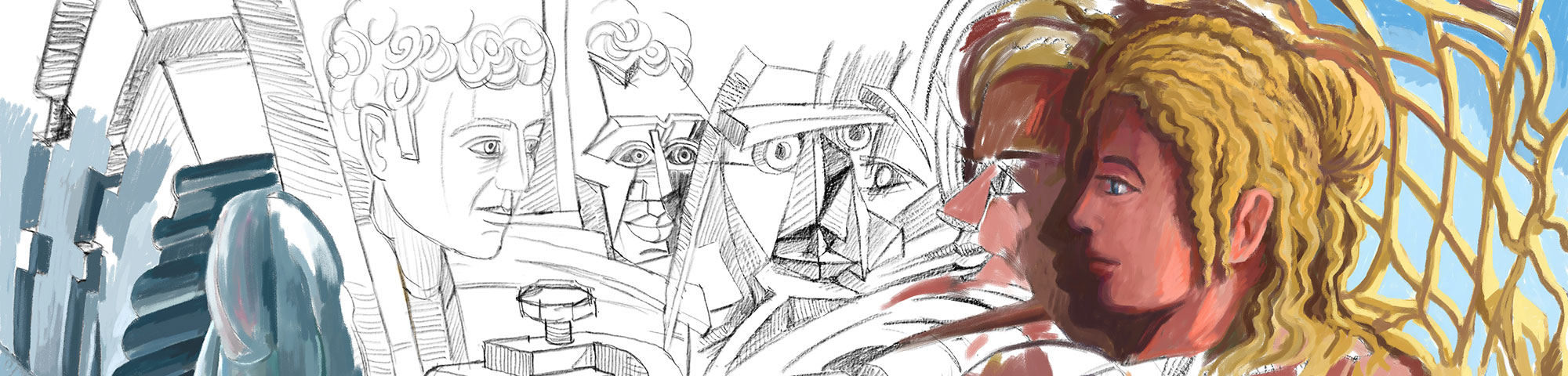
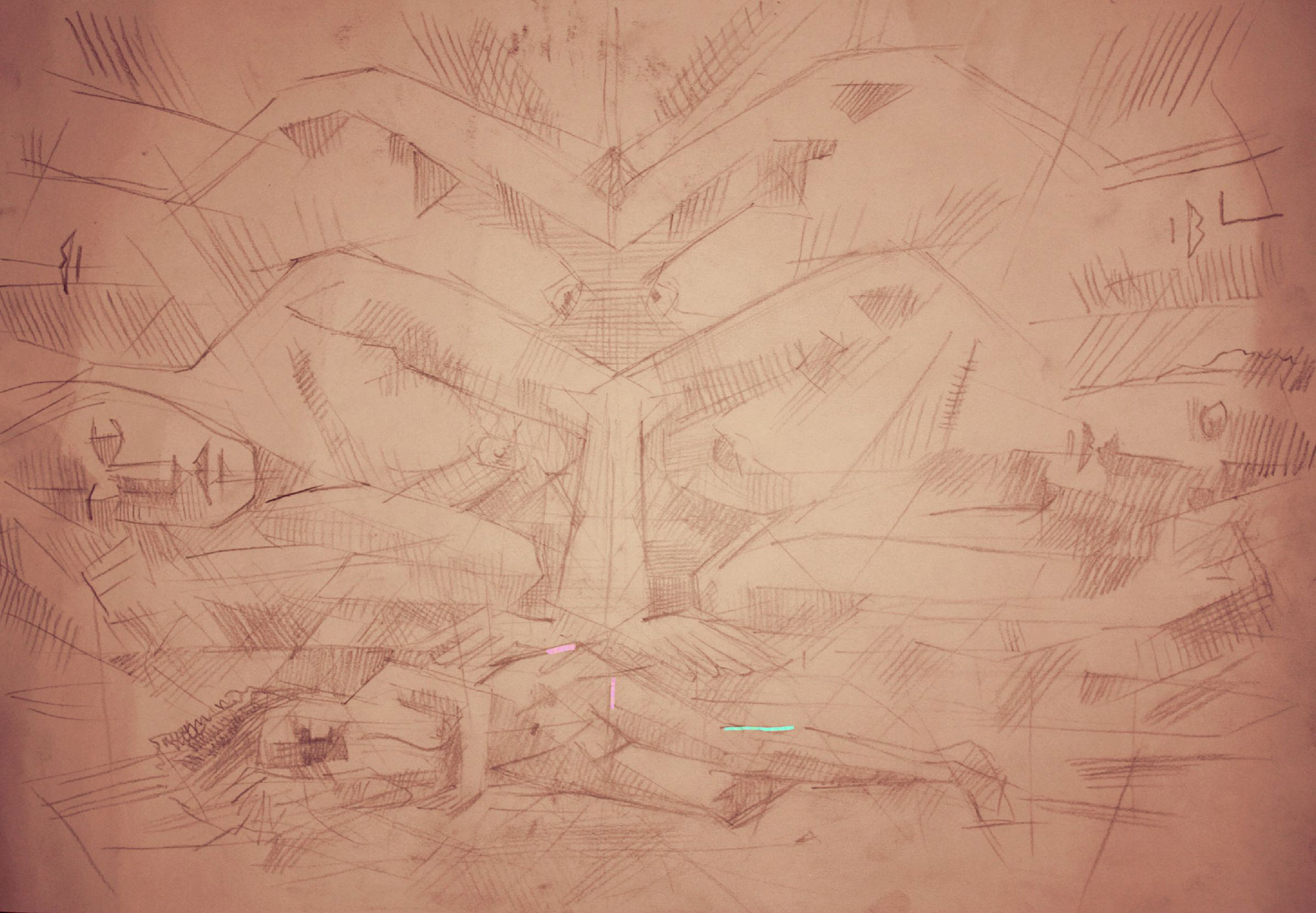
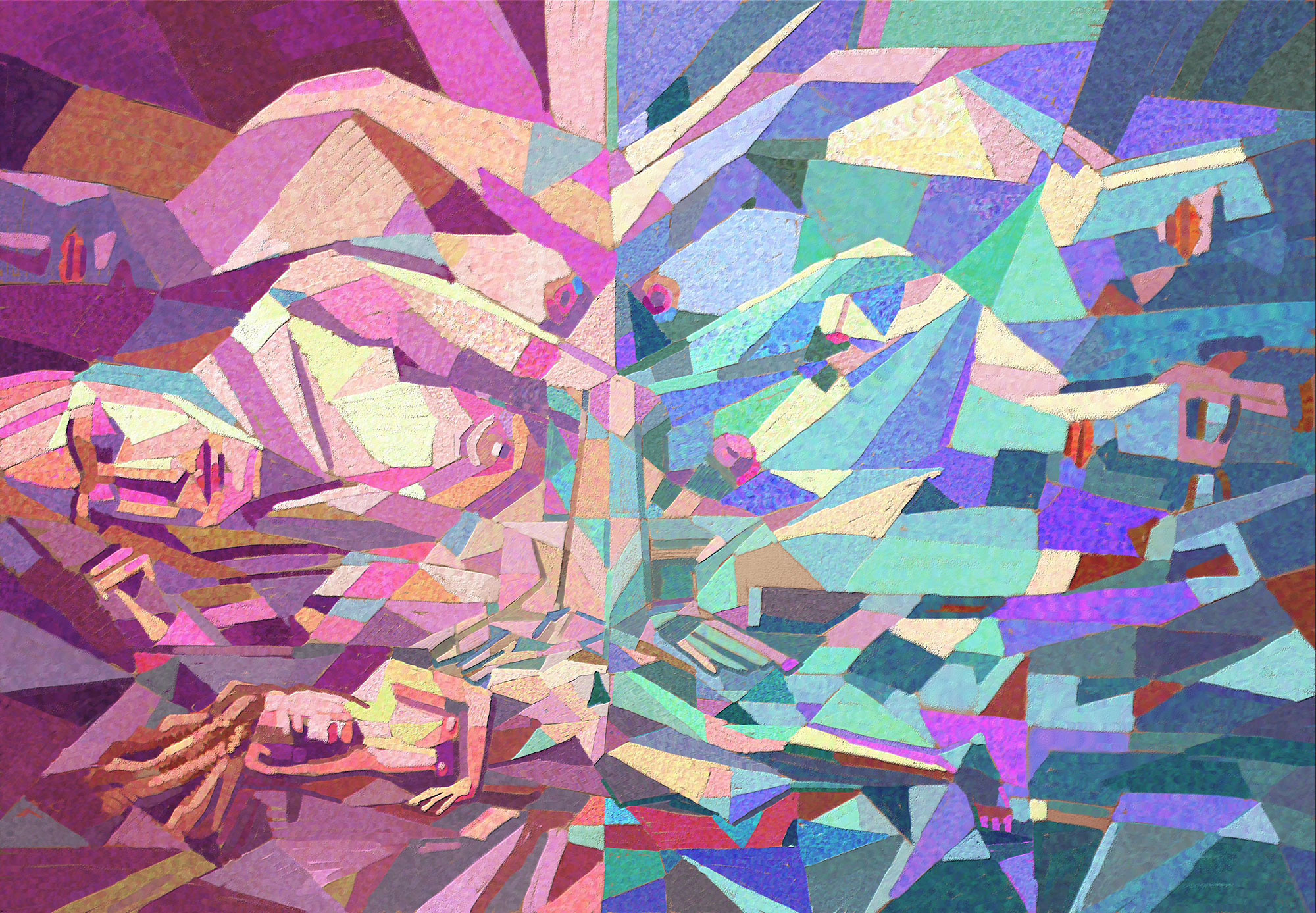
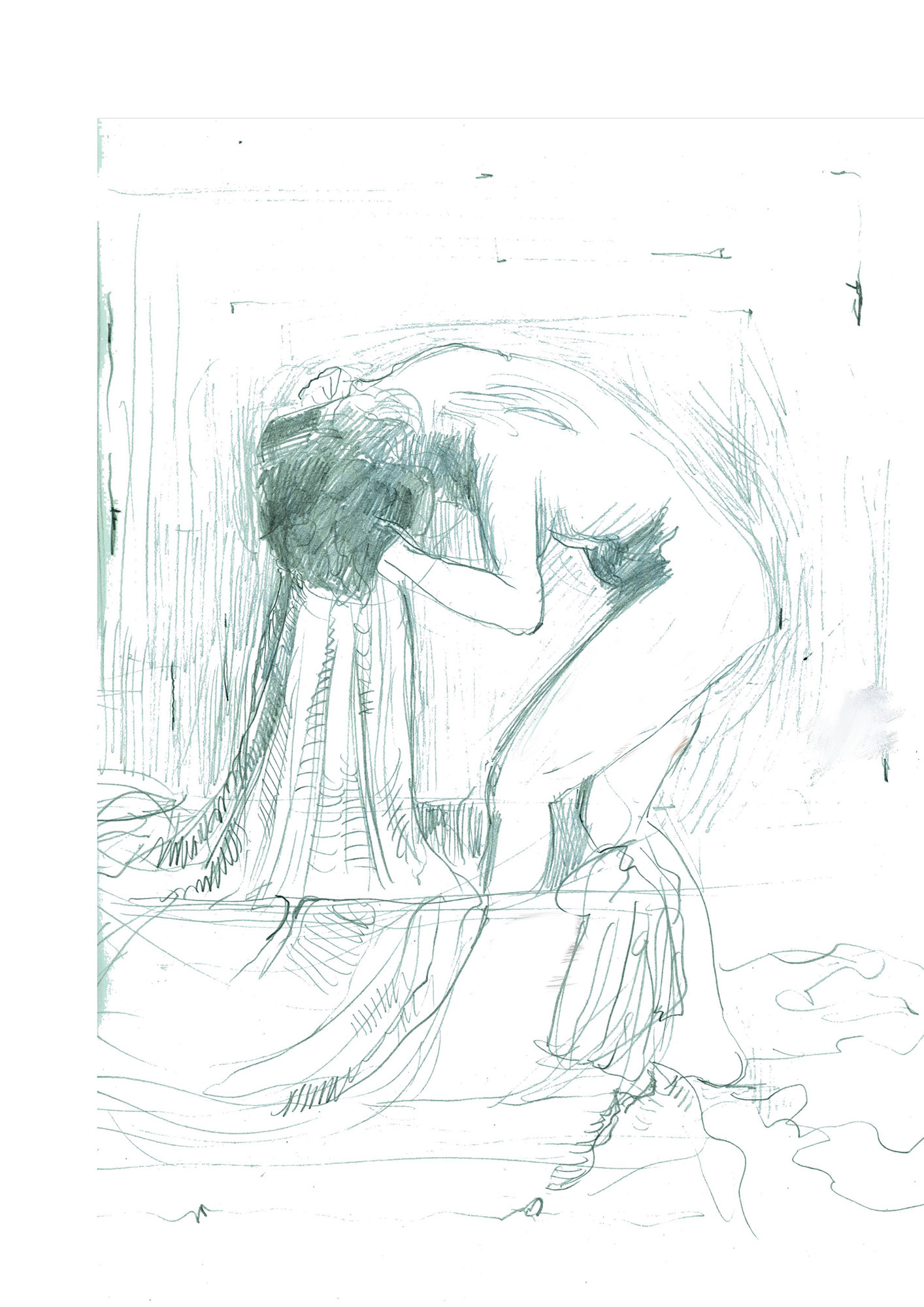
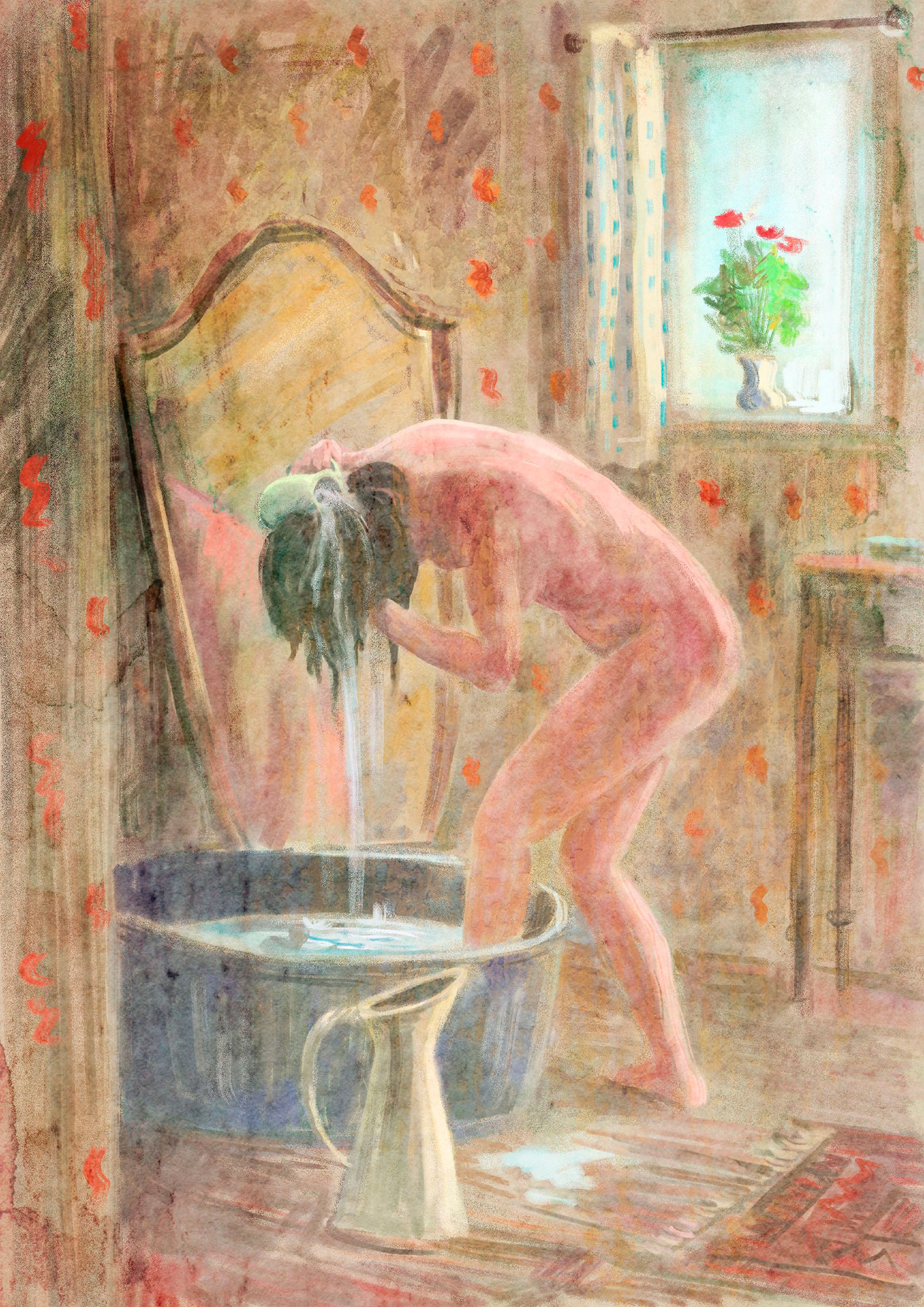
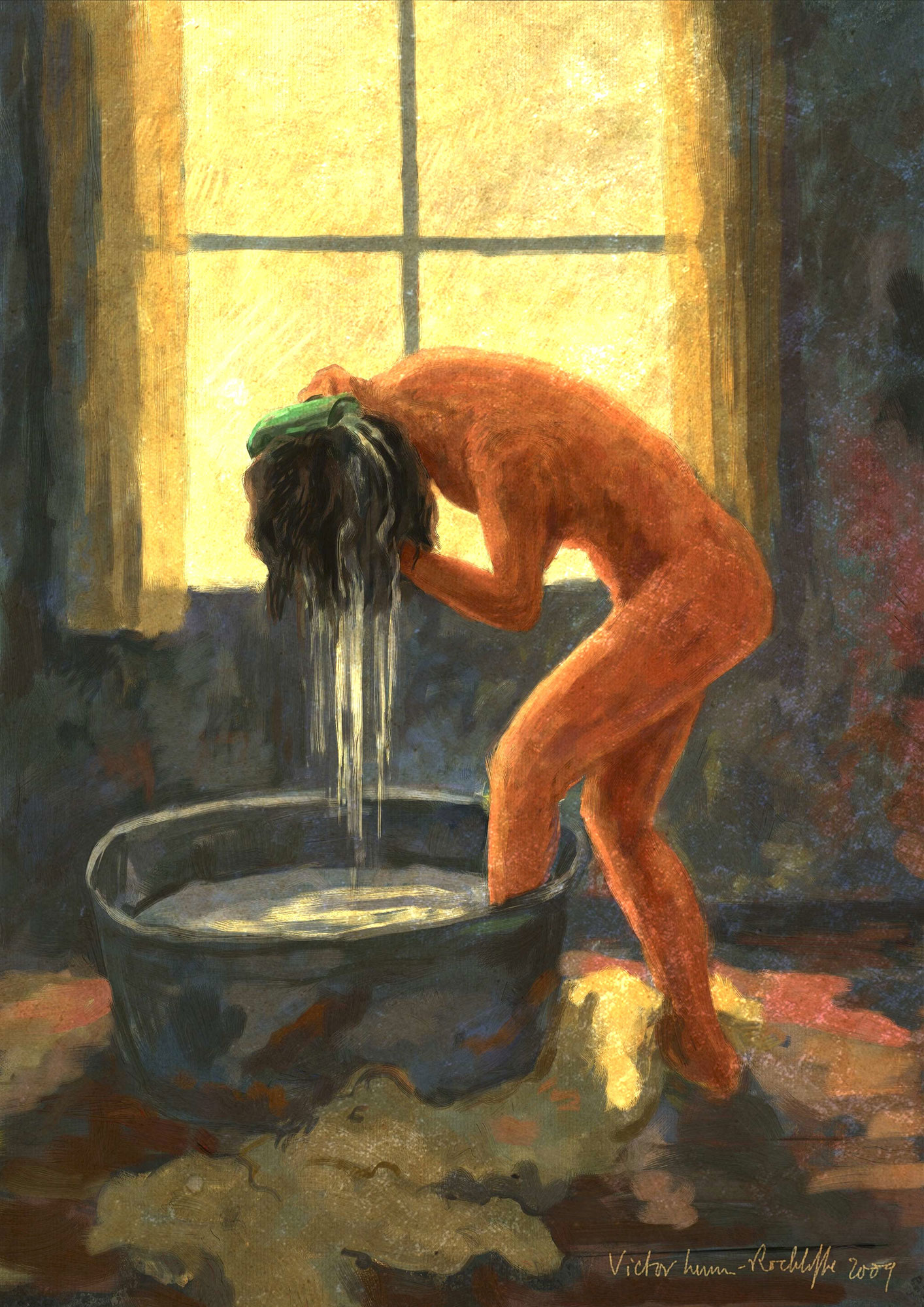
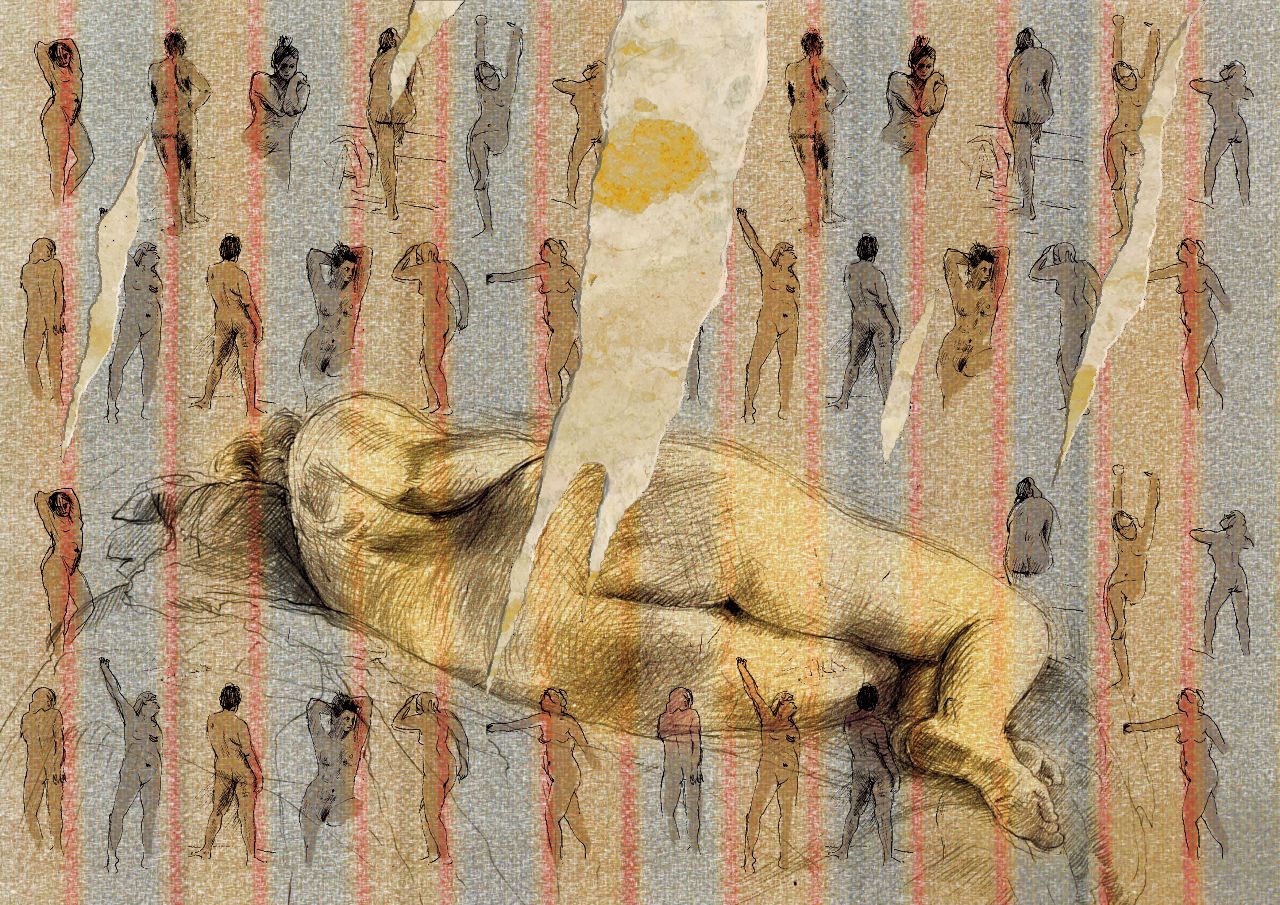
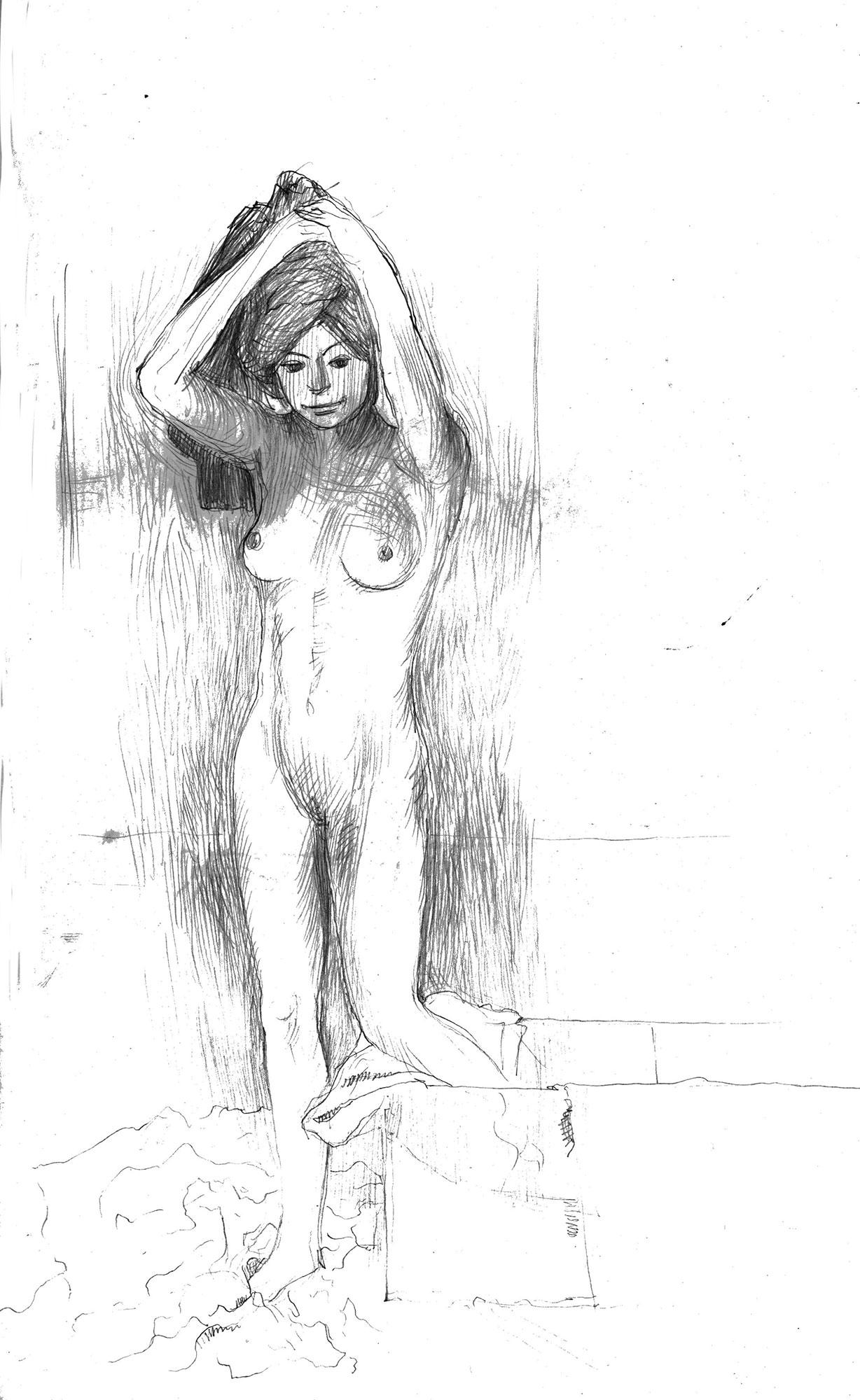
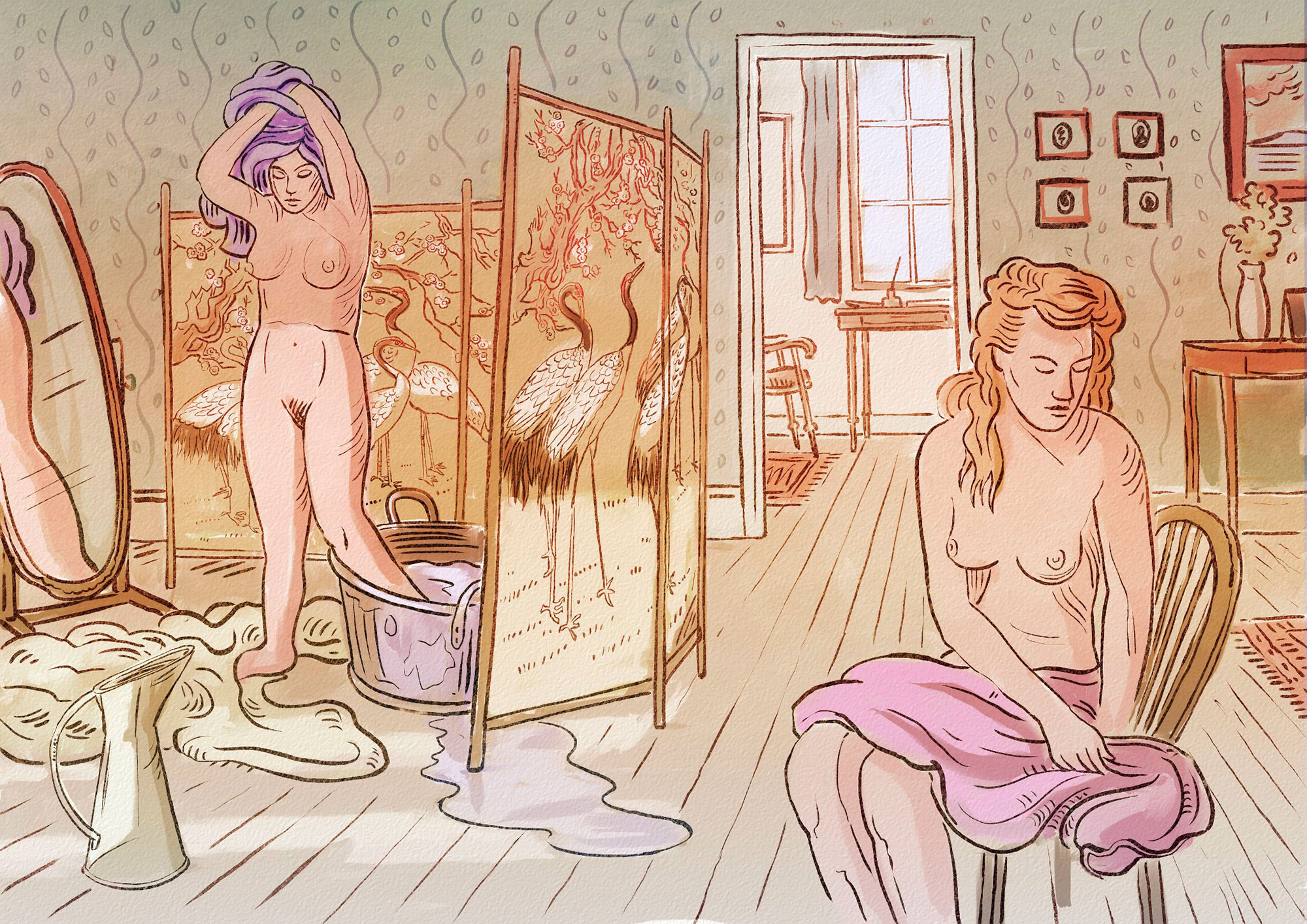
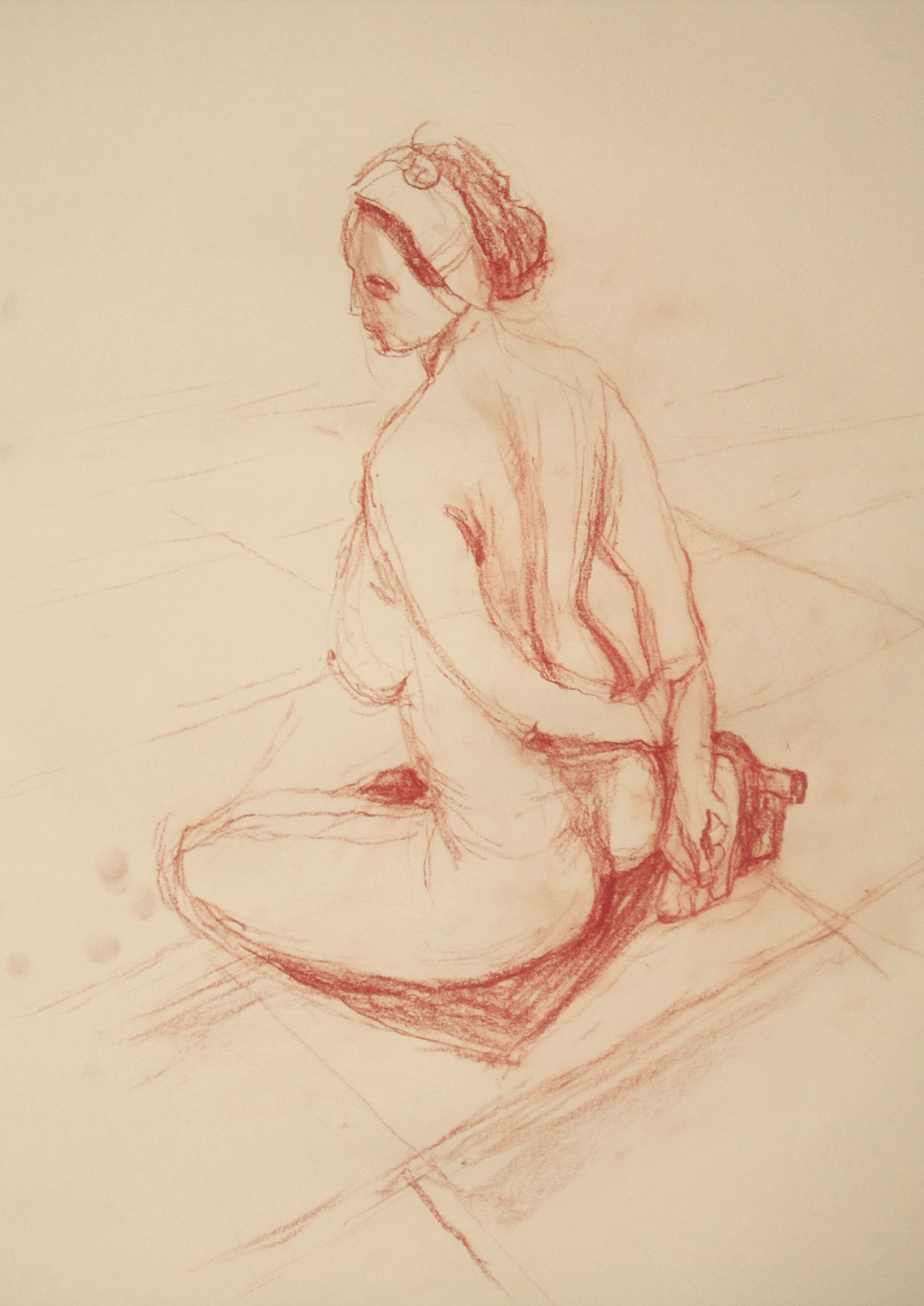
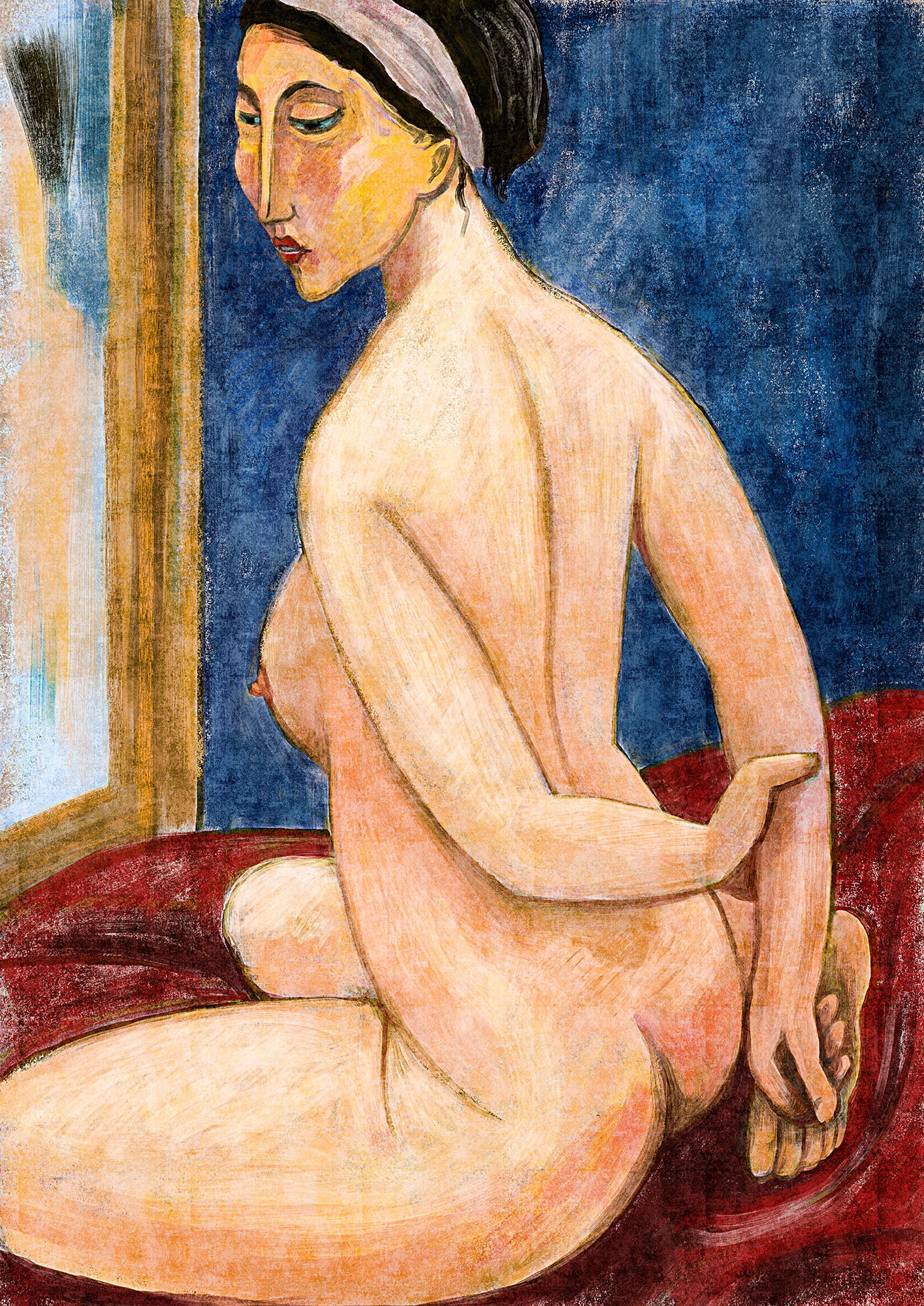
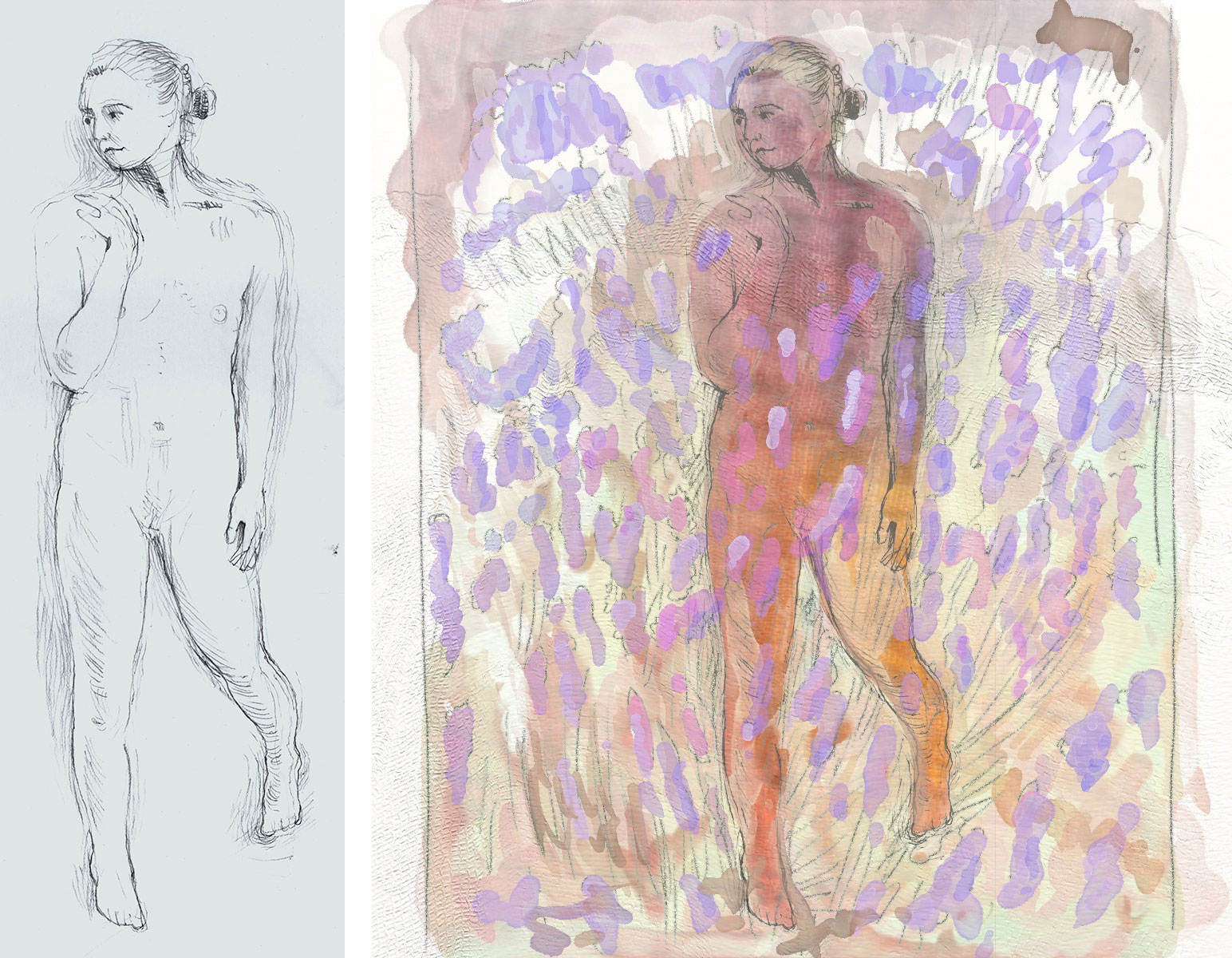
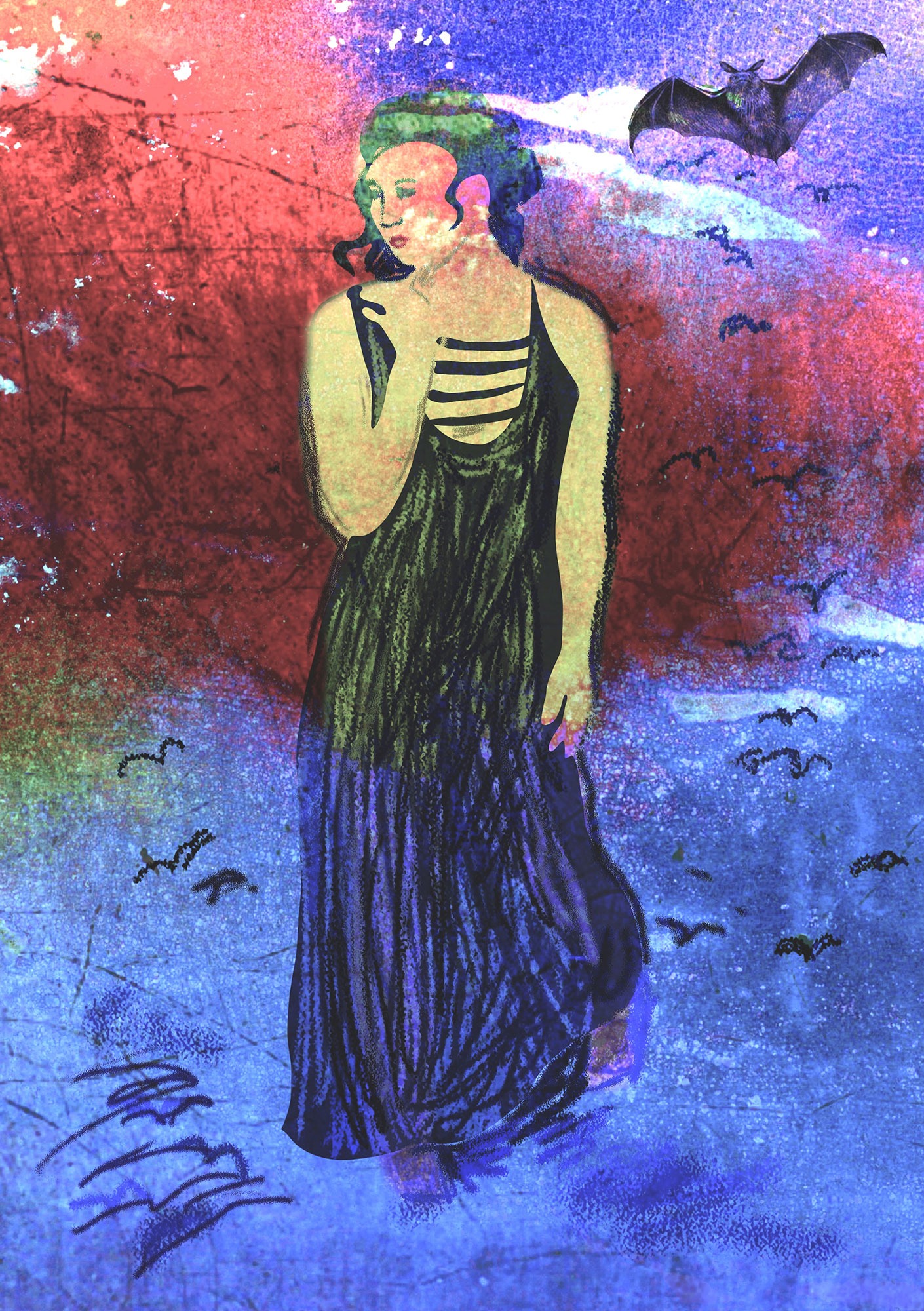
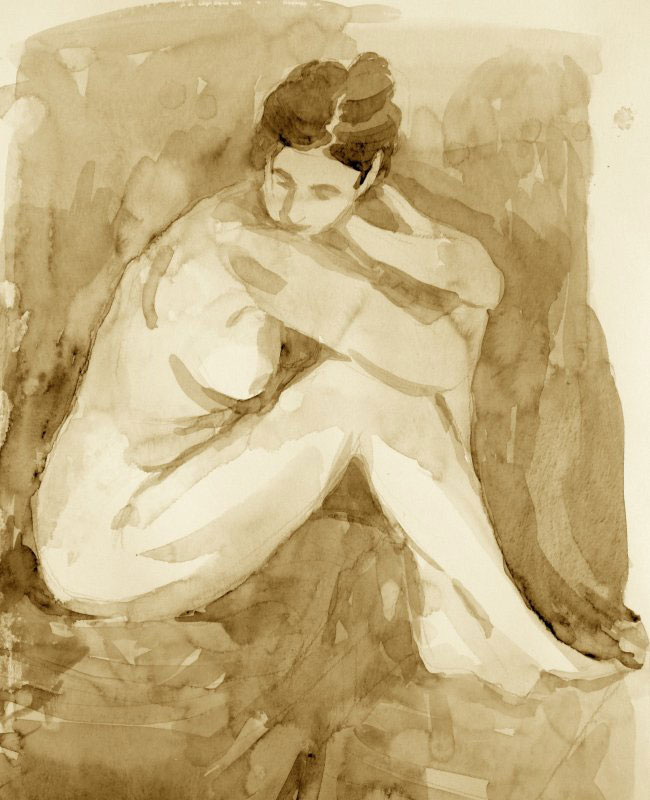
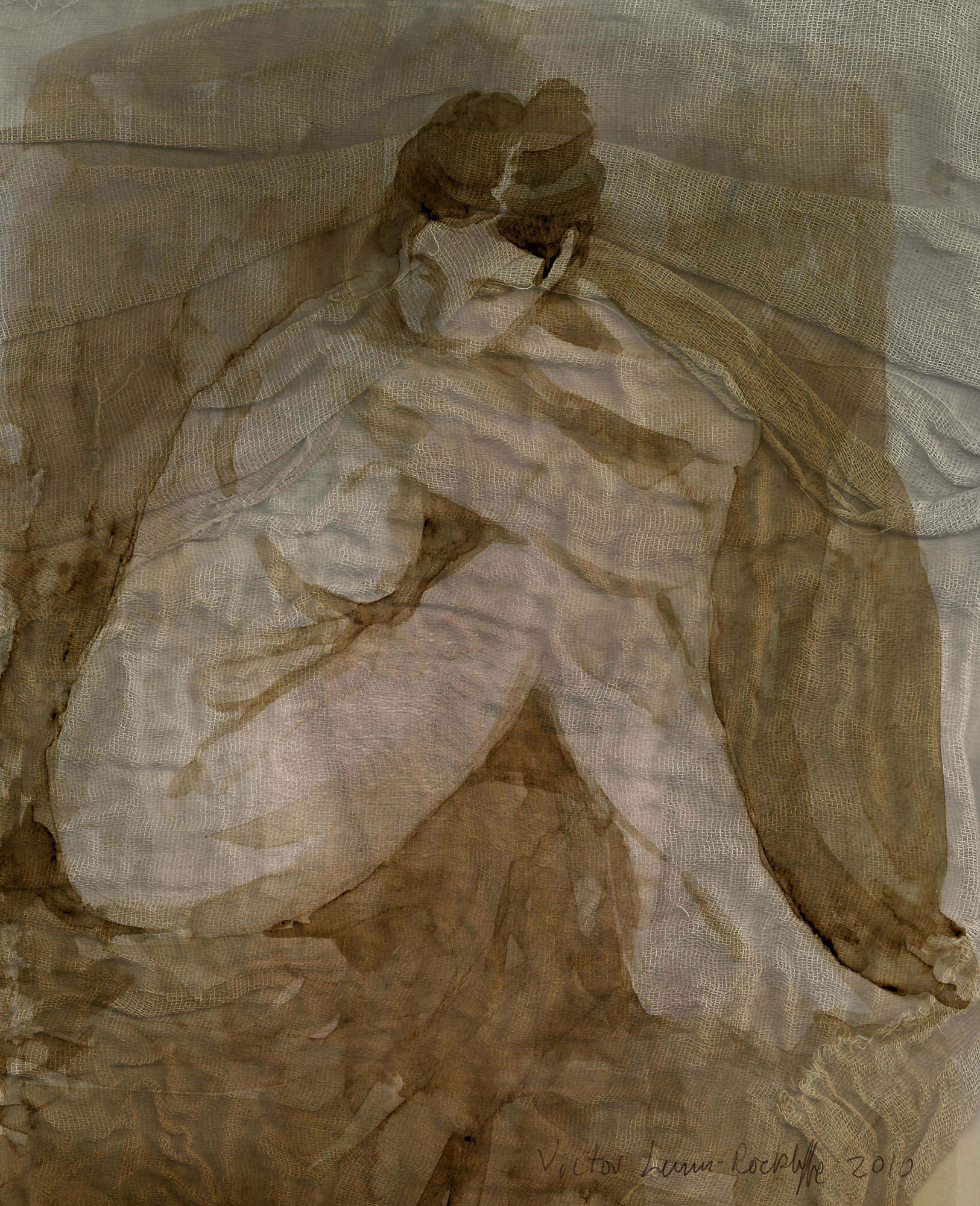
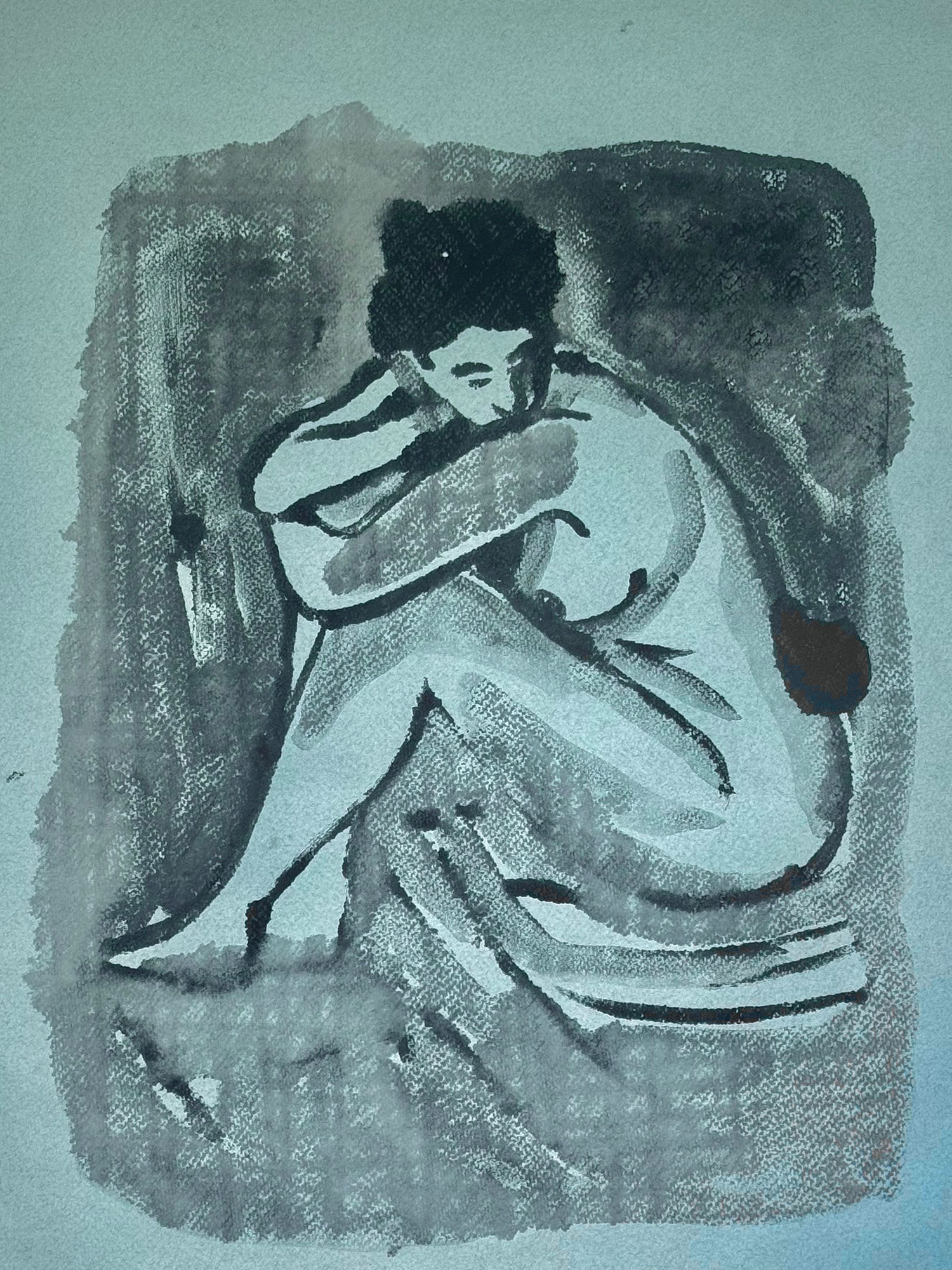
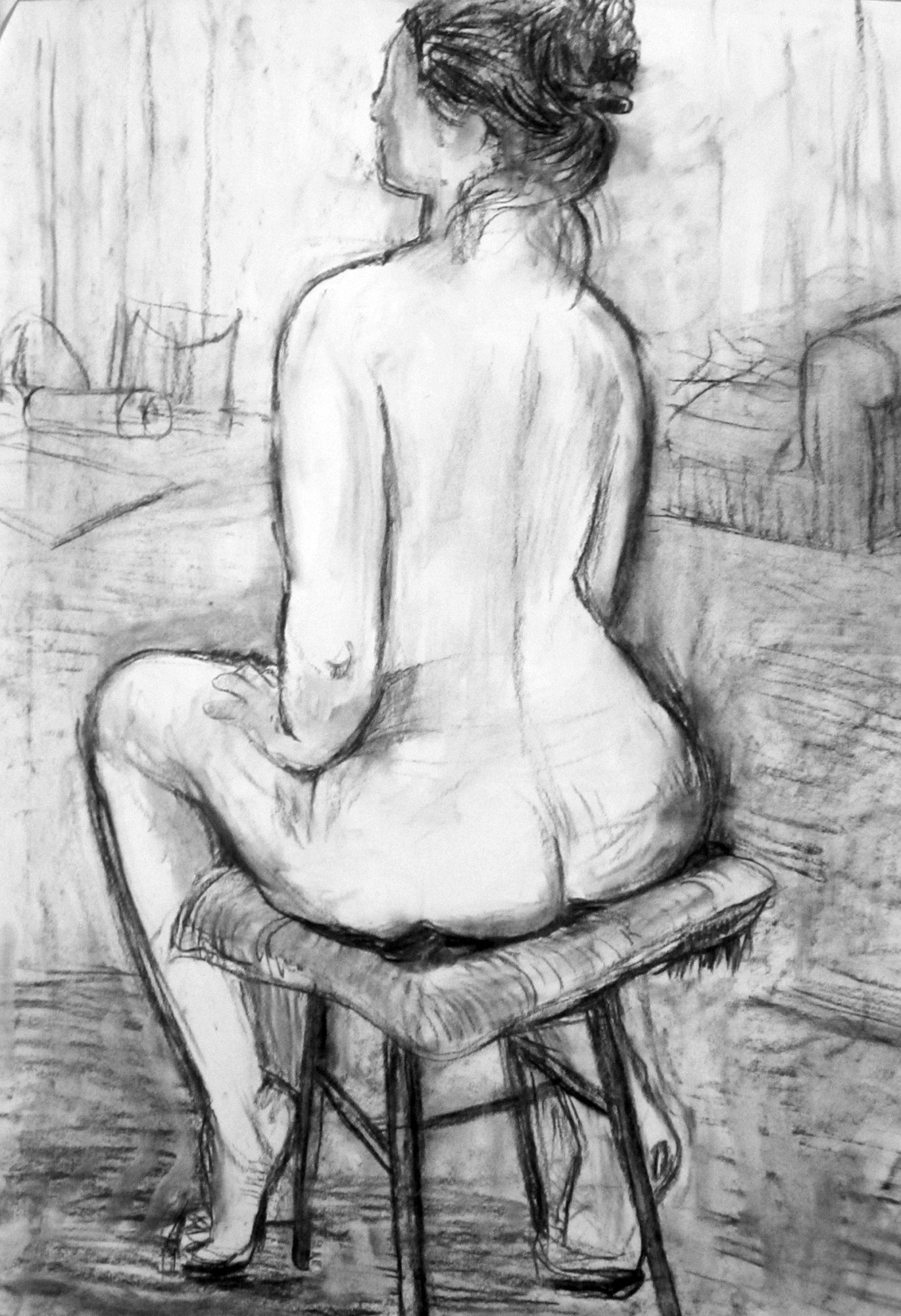
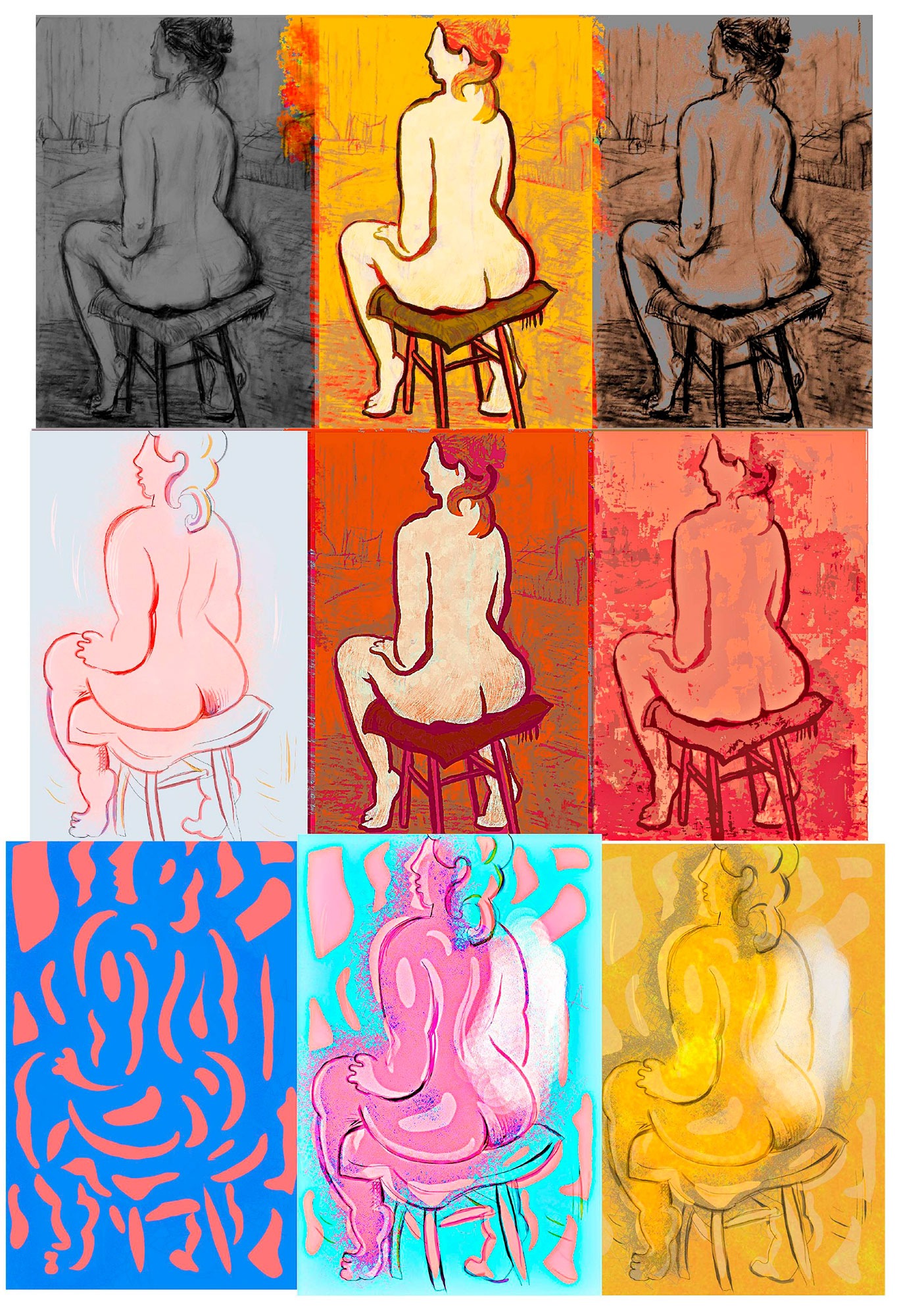
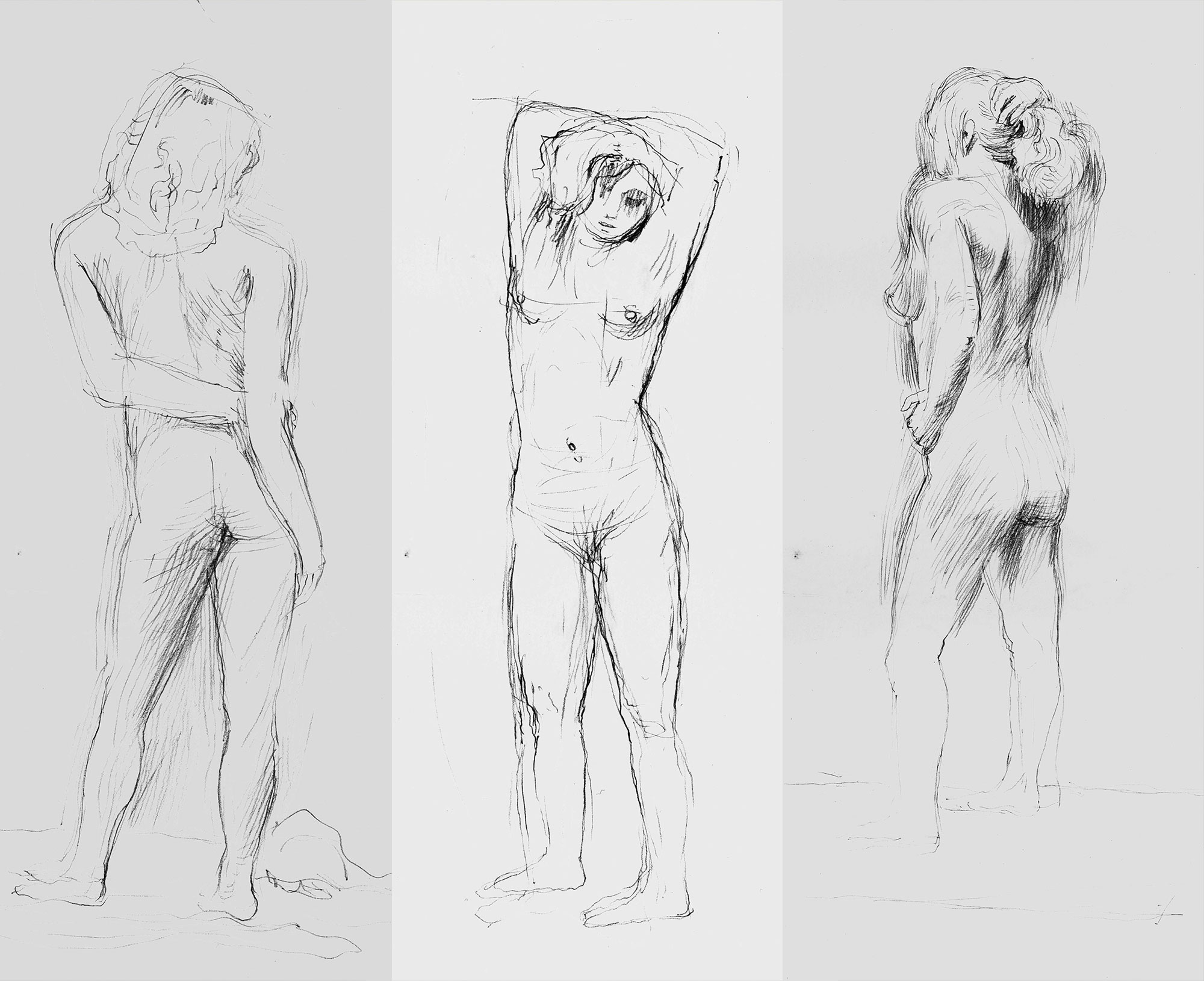
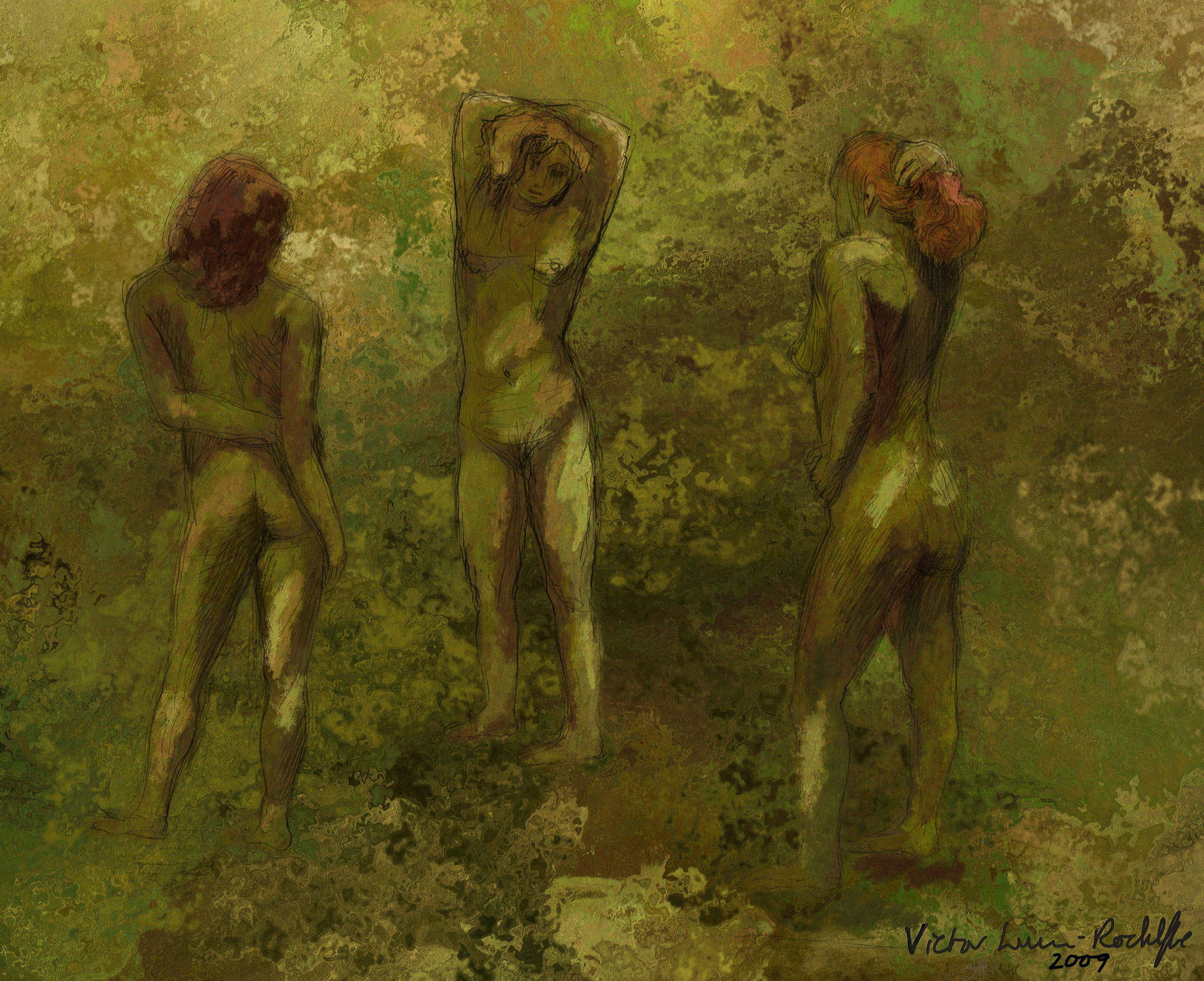
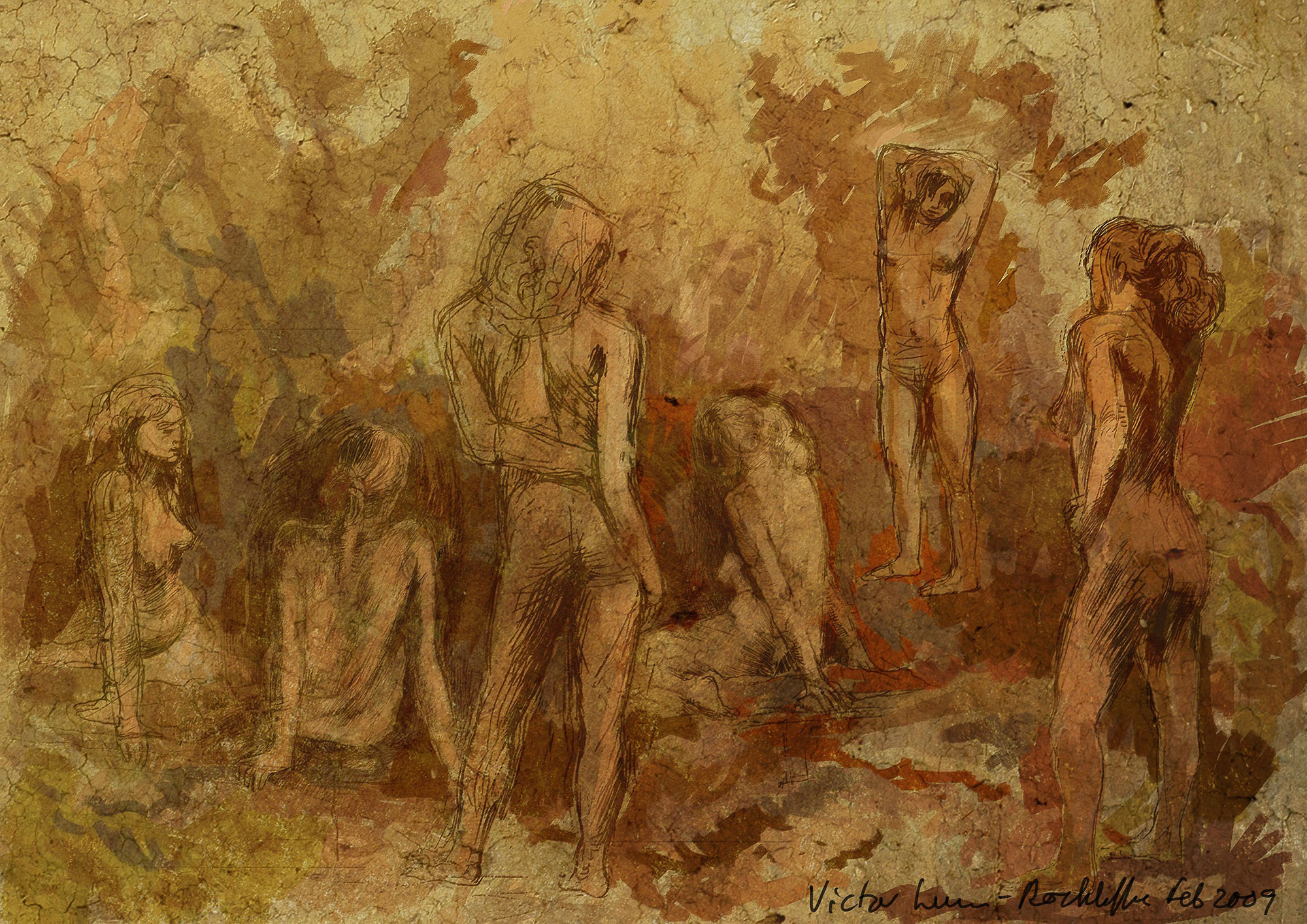
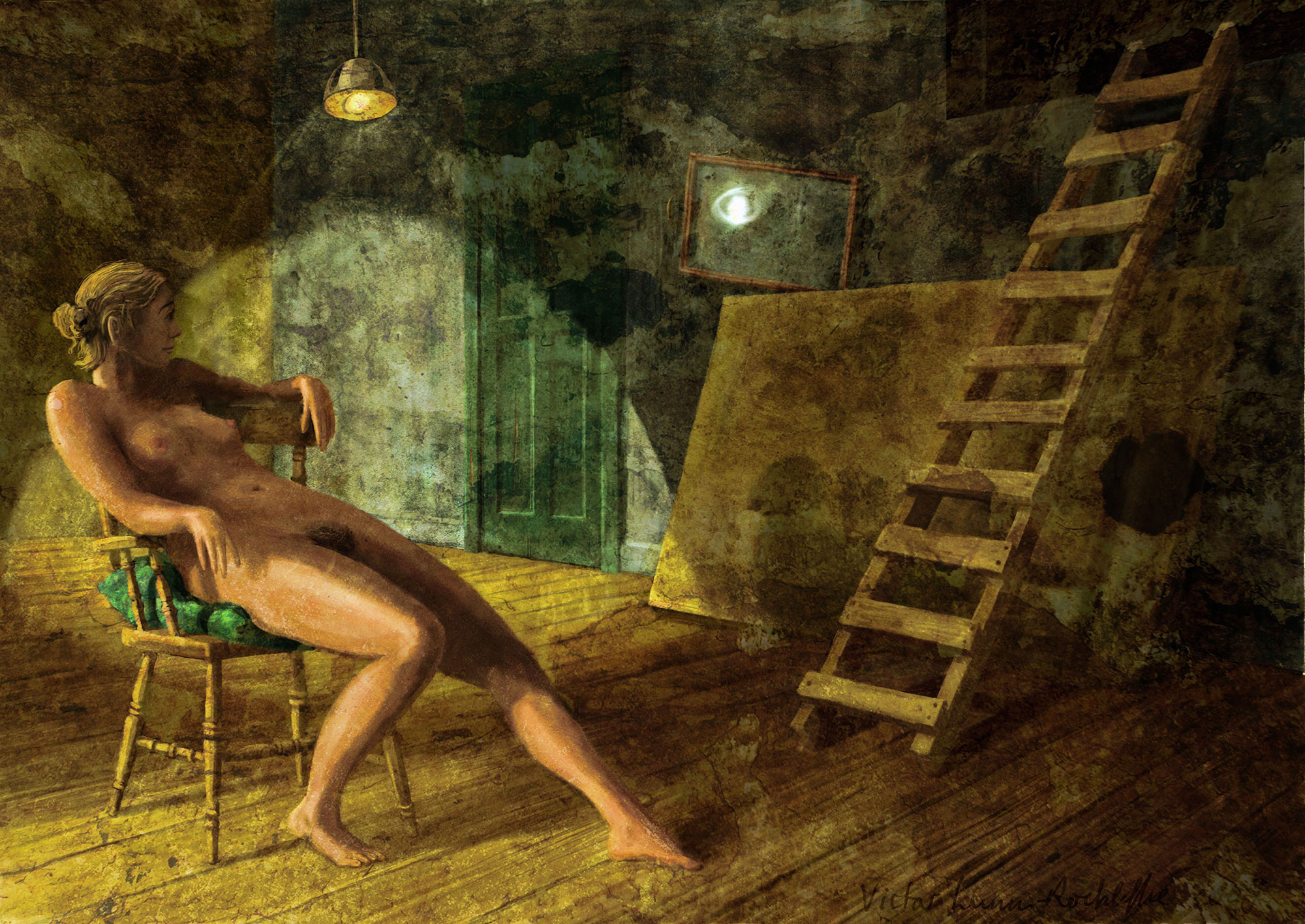
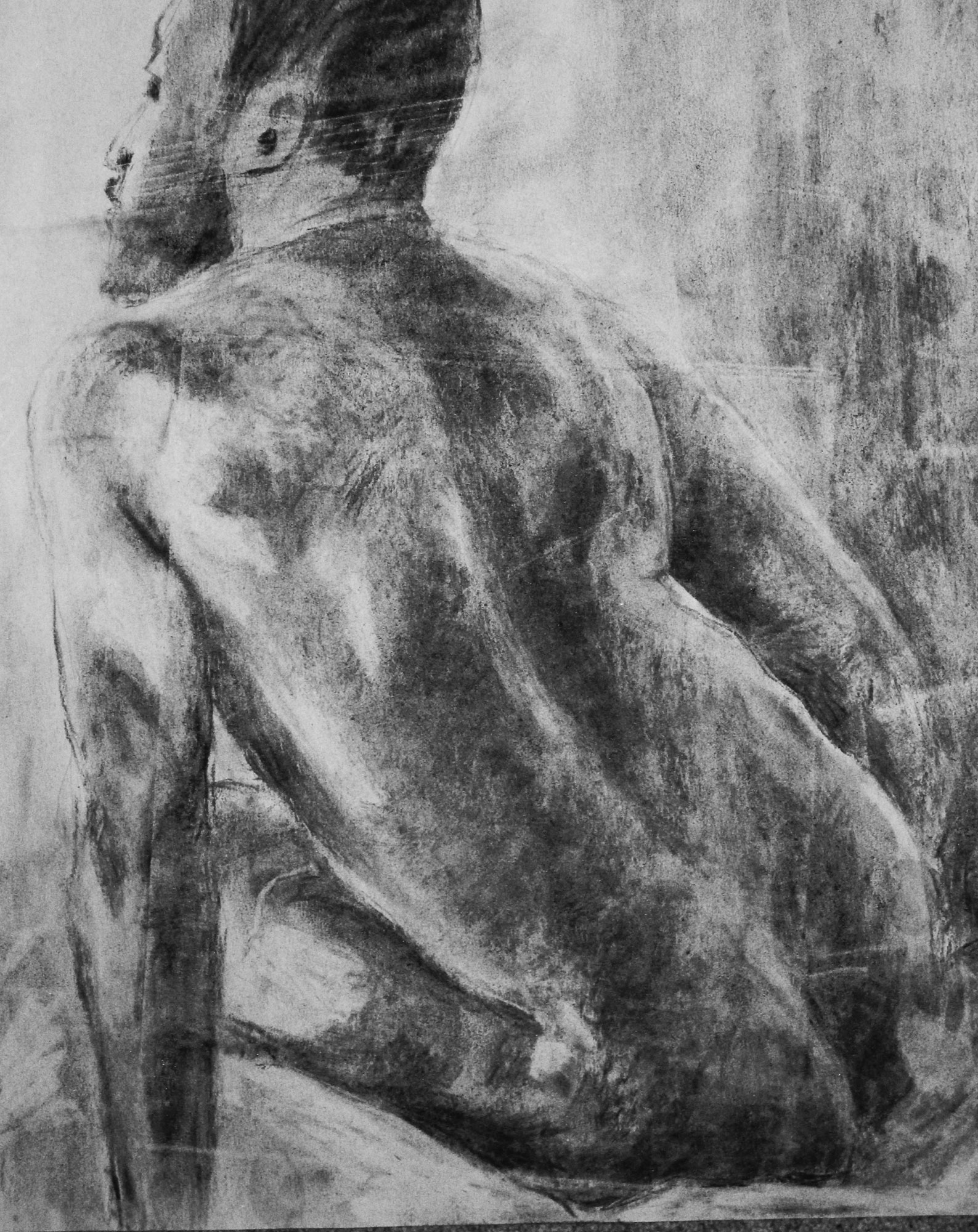
Over the years, Victor accumulated hundreds of life drawings. Rather than leave them stored away, he began giving them a second life.
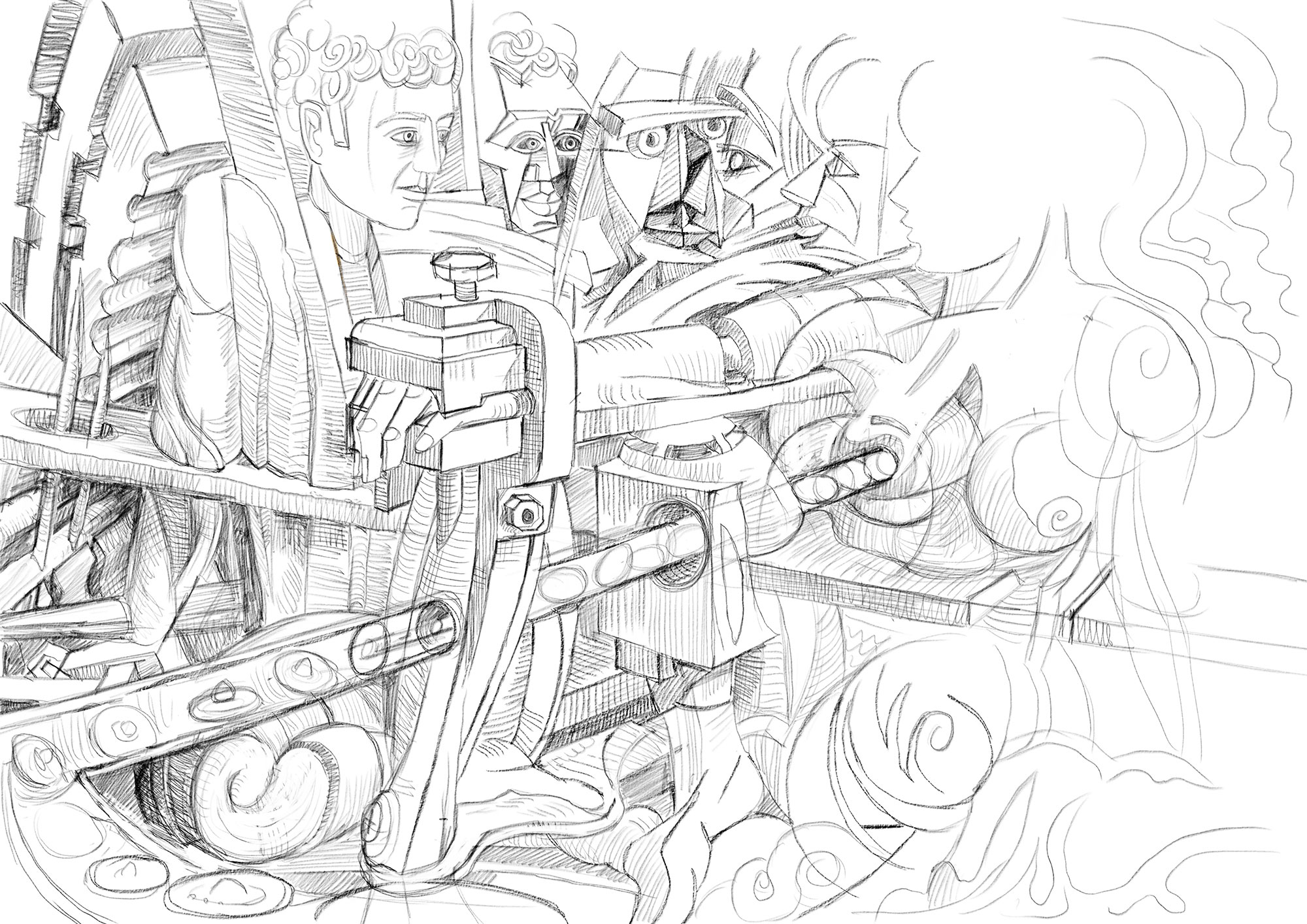
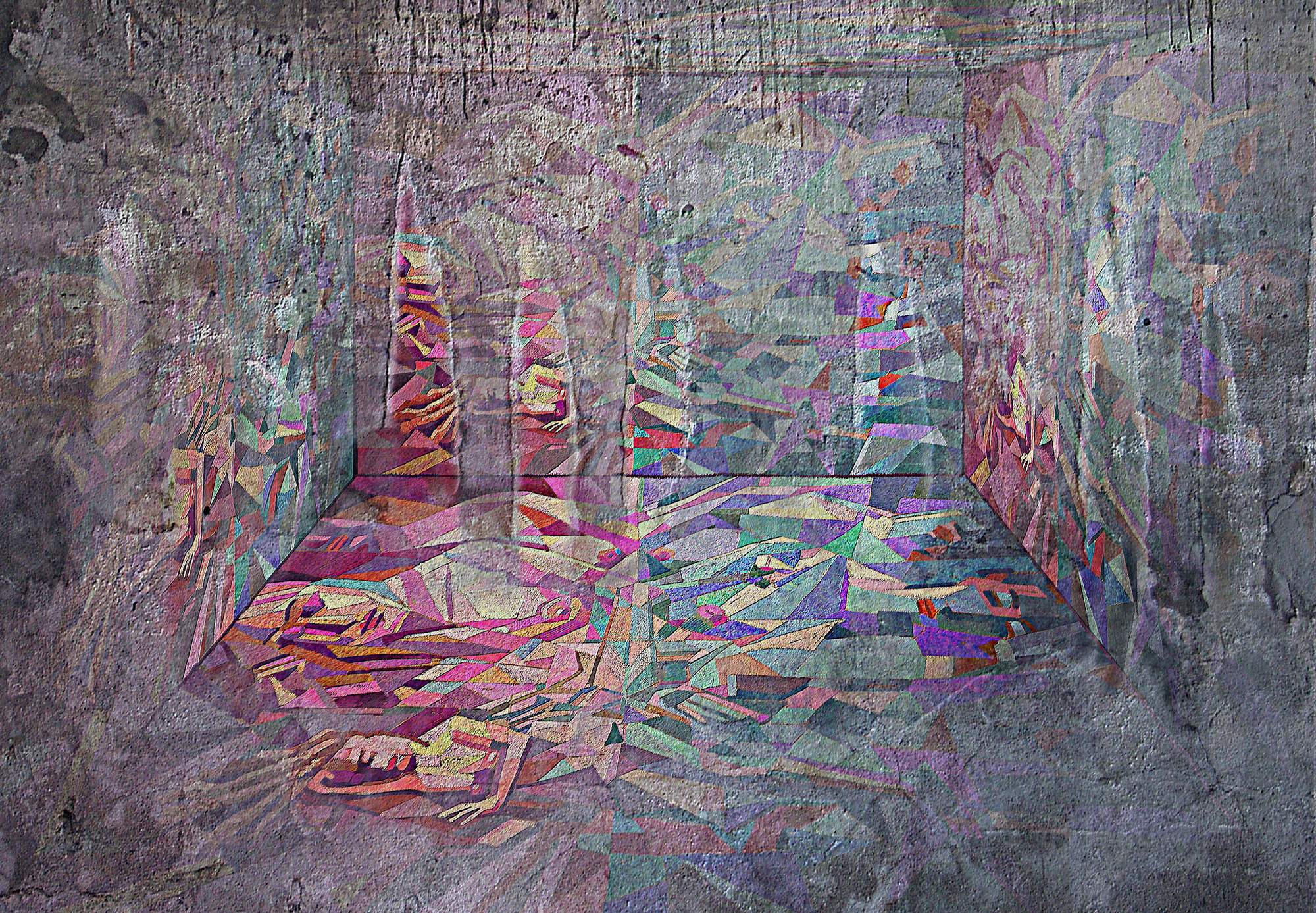
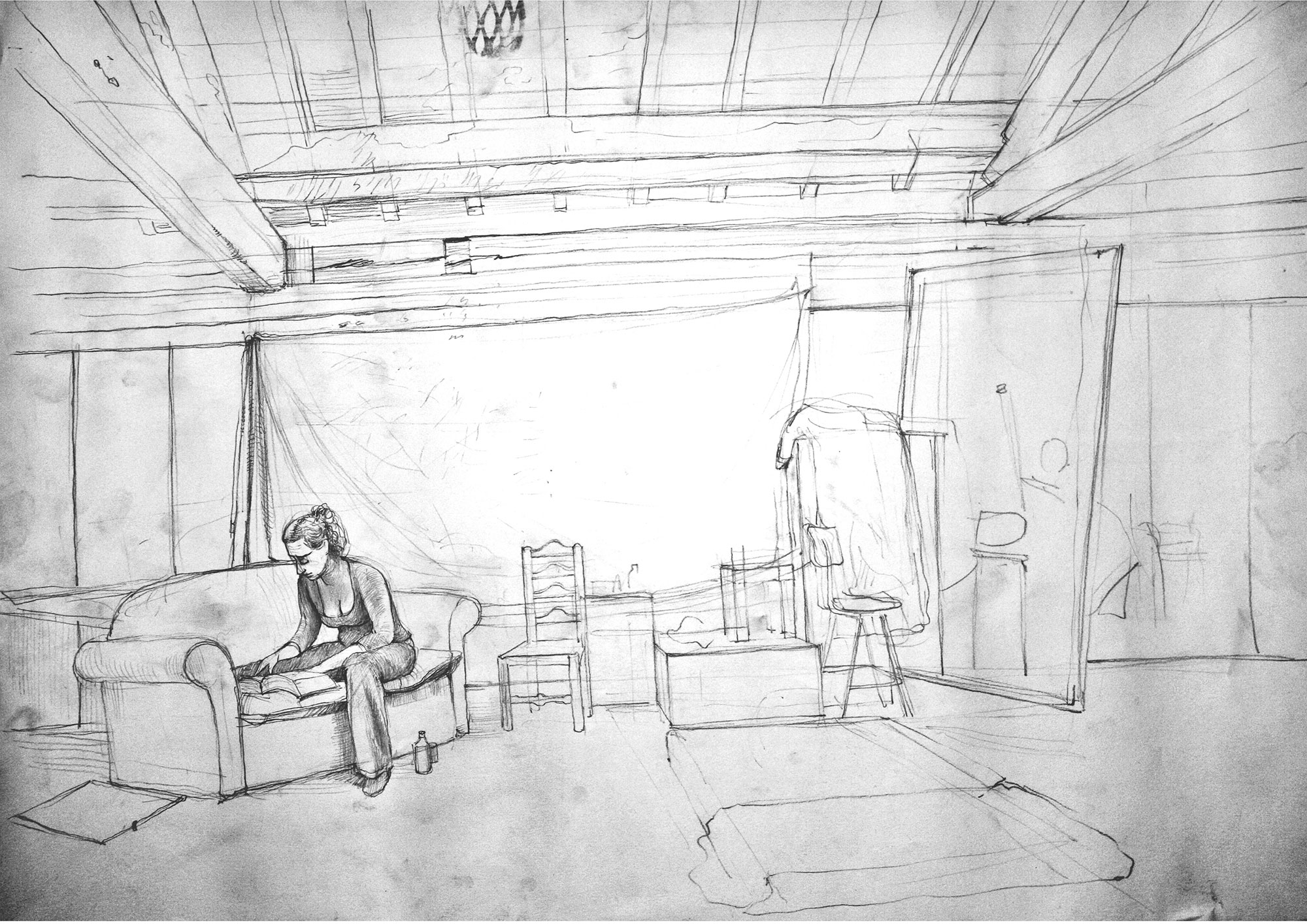
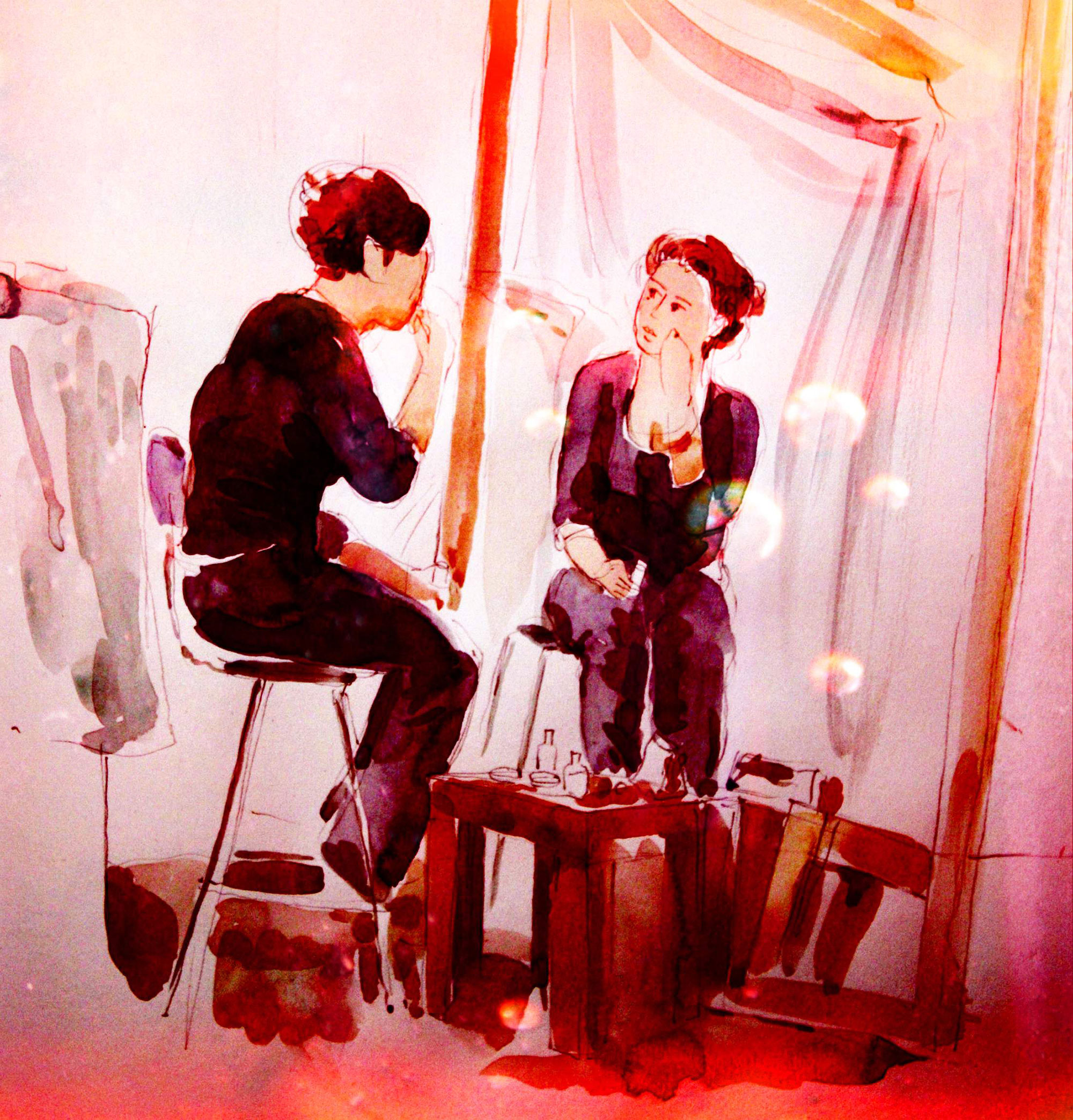
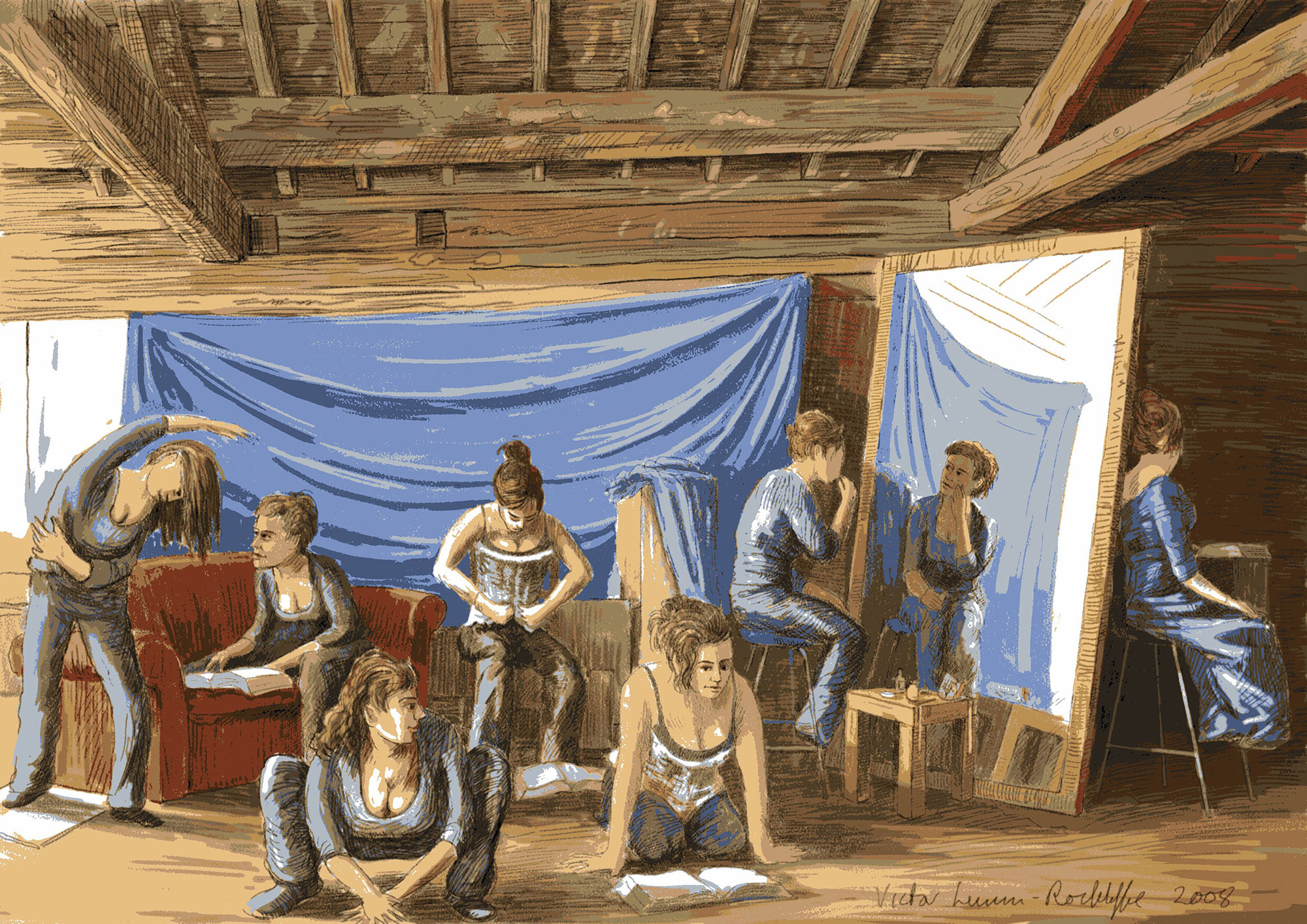
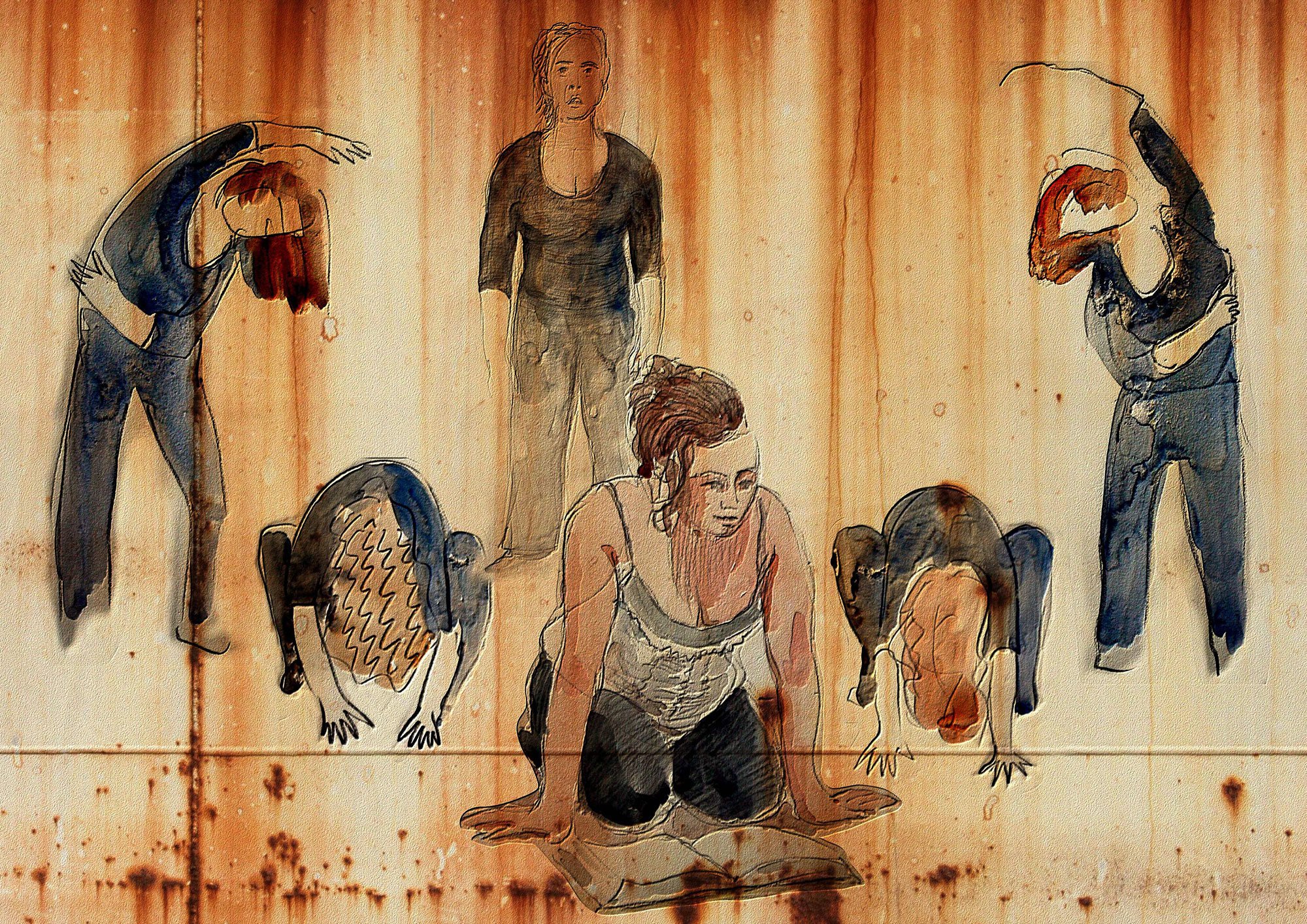
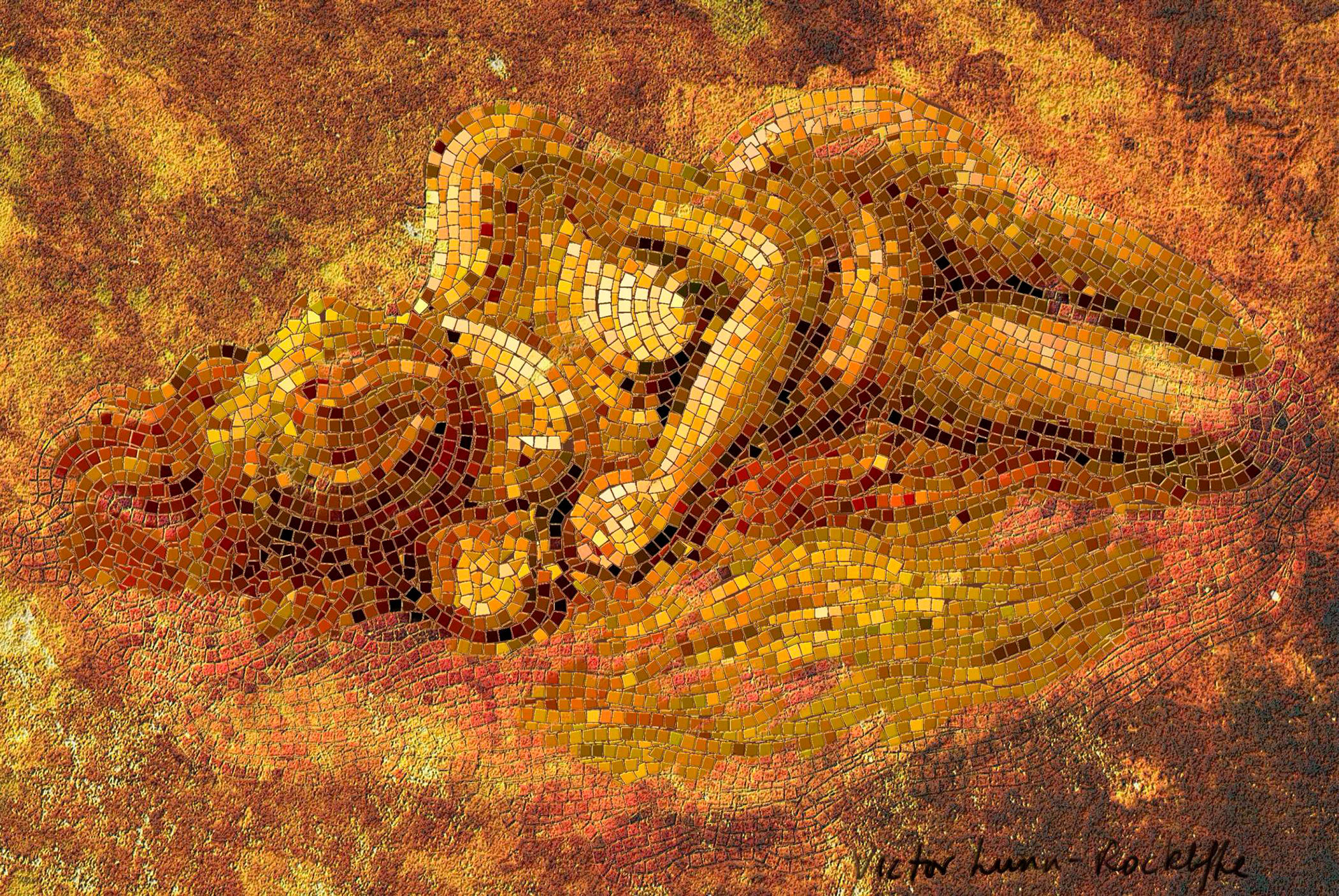
Using each original drawing as the underlying structure, he developed it into a new work, usually a digital painting, by imagining a narrative or situation suggested by the pose. The original drawing remains visible at the heart of the finished image. Many of the examples shown here allow viewers to compare the life drawing with its transformation and see how observation becomes invention.
Chauvet Video
Many of the original life drawings were made with earth pigments and charcoal, materials not unlike those used in prehistoric cave art. At the time, Victor was fascinated by the paintings in the Chauvet Cave, whose directness and vitality seemed closely related to his own practice. This inspired him to create a digital “cave”, presenting the drawings in sequence as though an artist had returned over many years to add new images to the same rock wall. With the arrival of iMovie, he was able to assemble the film at home. After experimenting with a classical music soundtrack, he decided that the sound of falling rain was more appropriate—a soundscape that both prehistoric and modern people might recognise.
Click the arrow to watch the video
Decayed Wall Decoration
Bathing
Life Drawing Wallpaper
Inspired By Hiroshiga
Inspired by Modigliani
The Eye Is In The Beholder
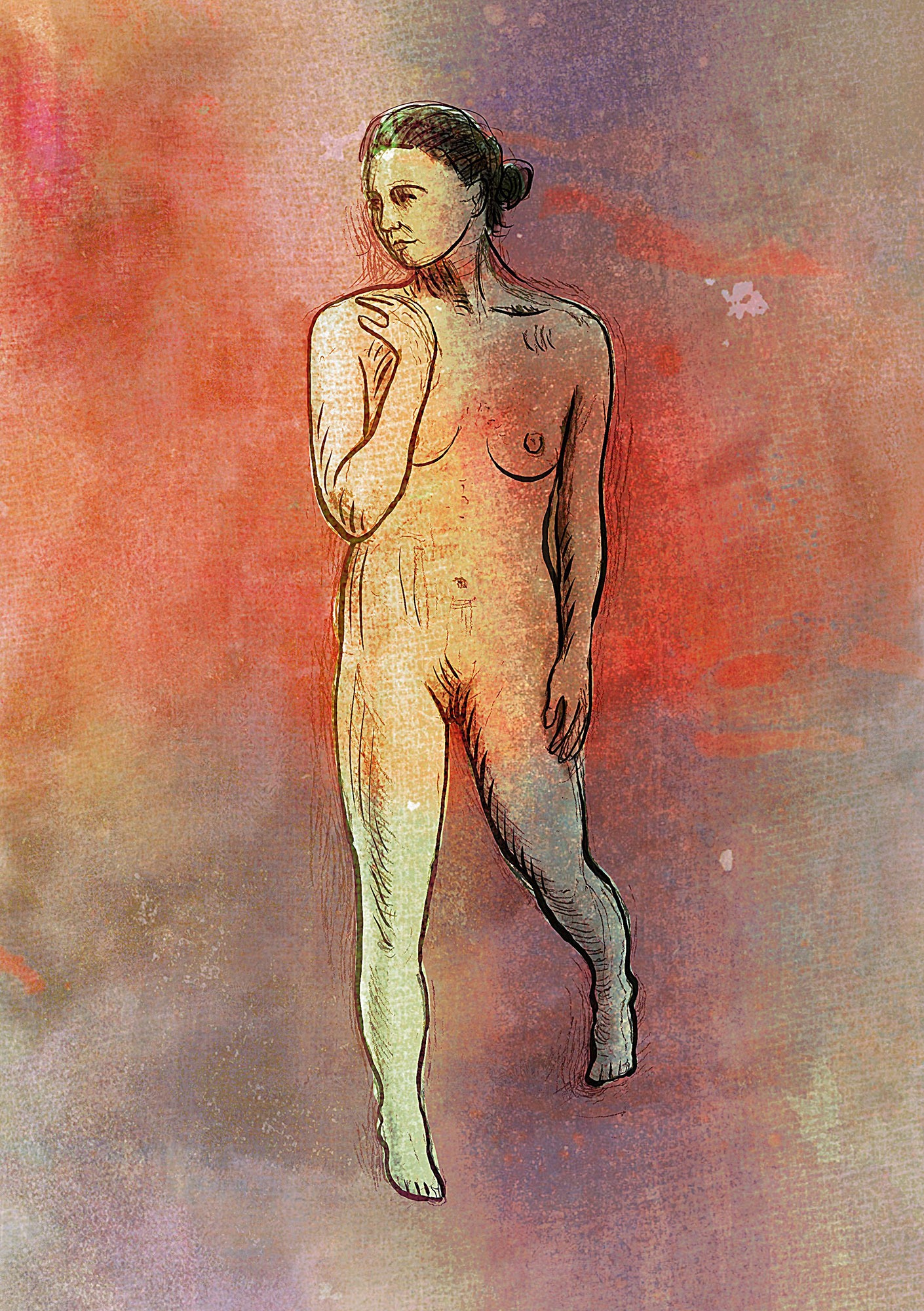
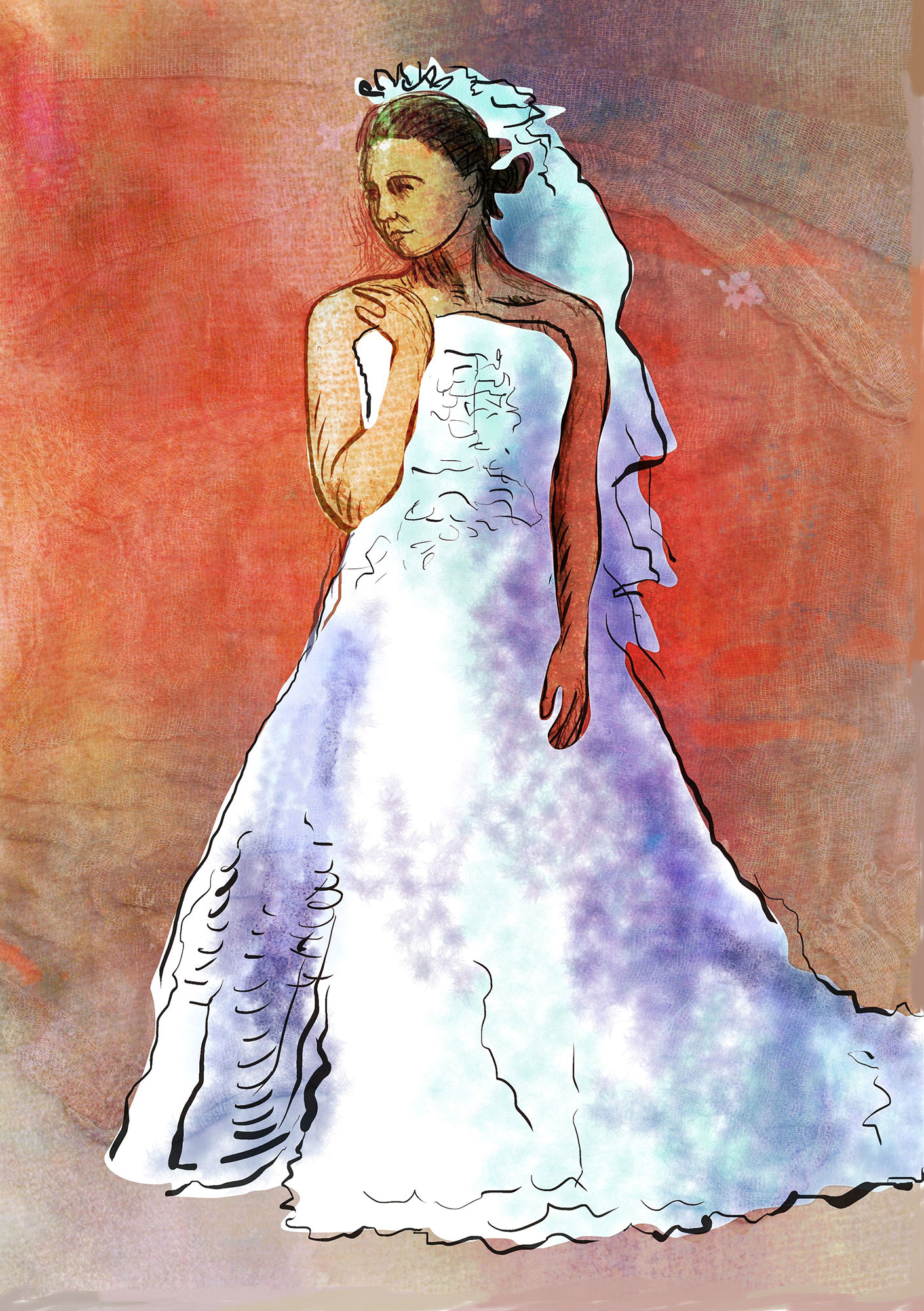
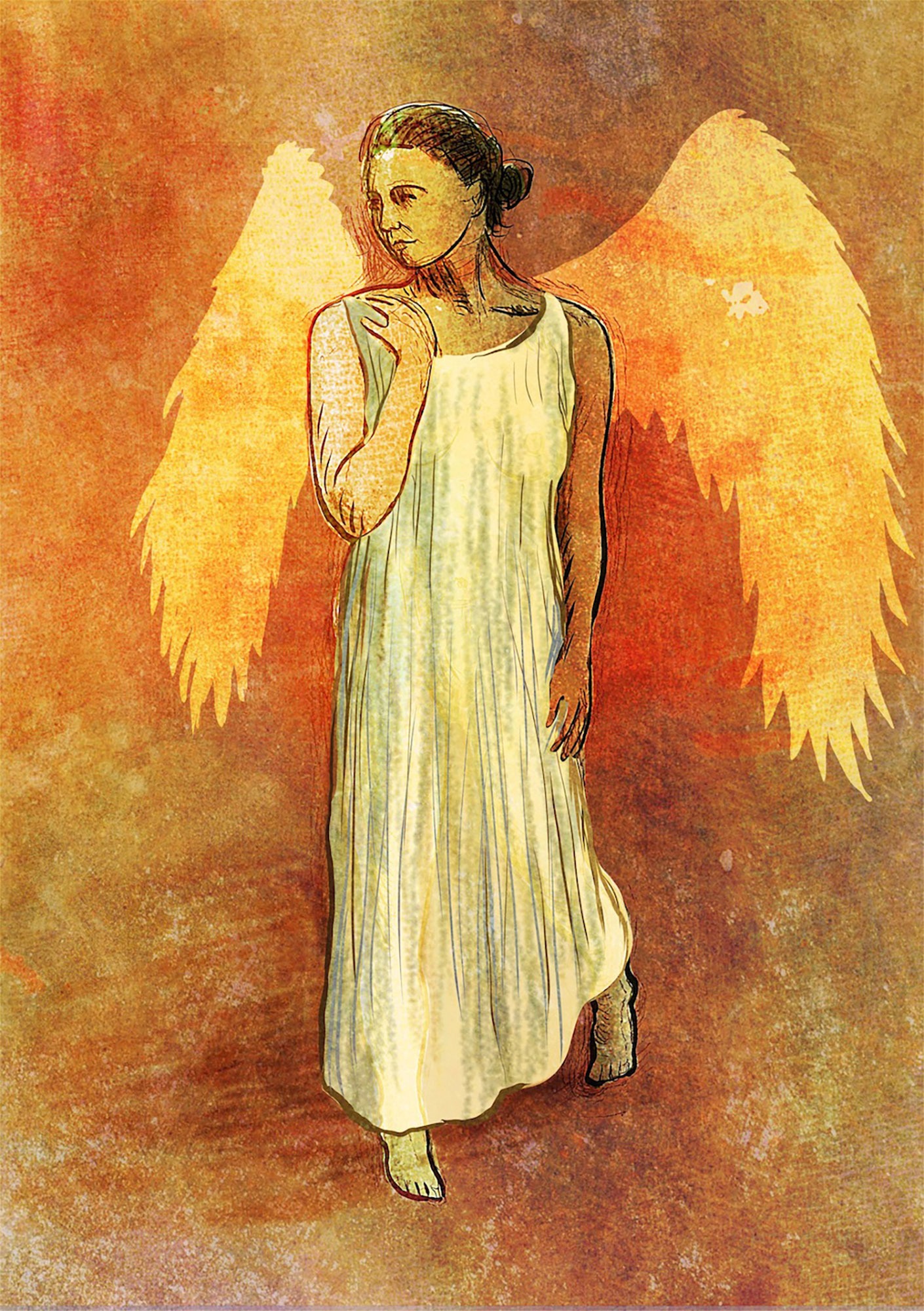
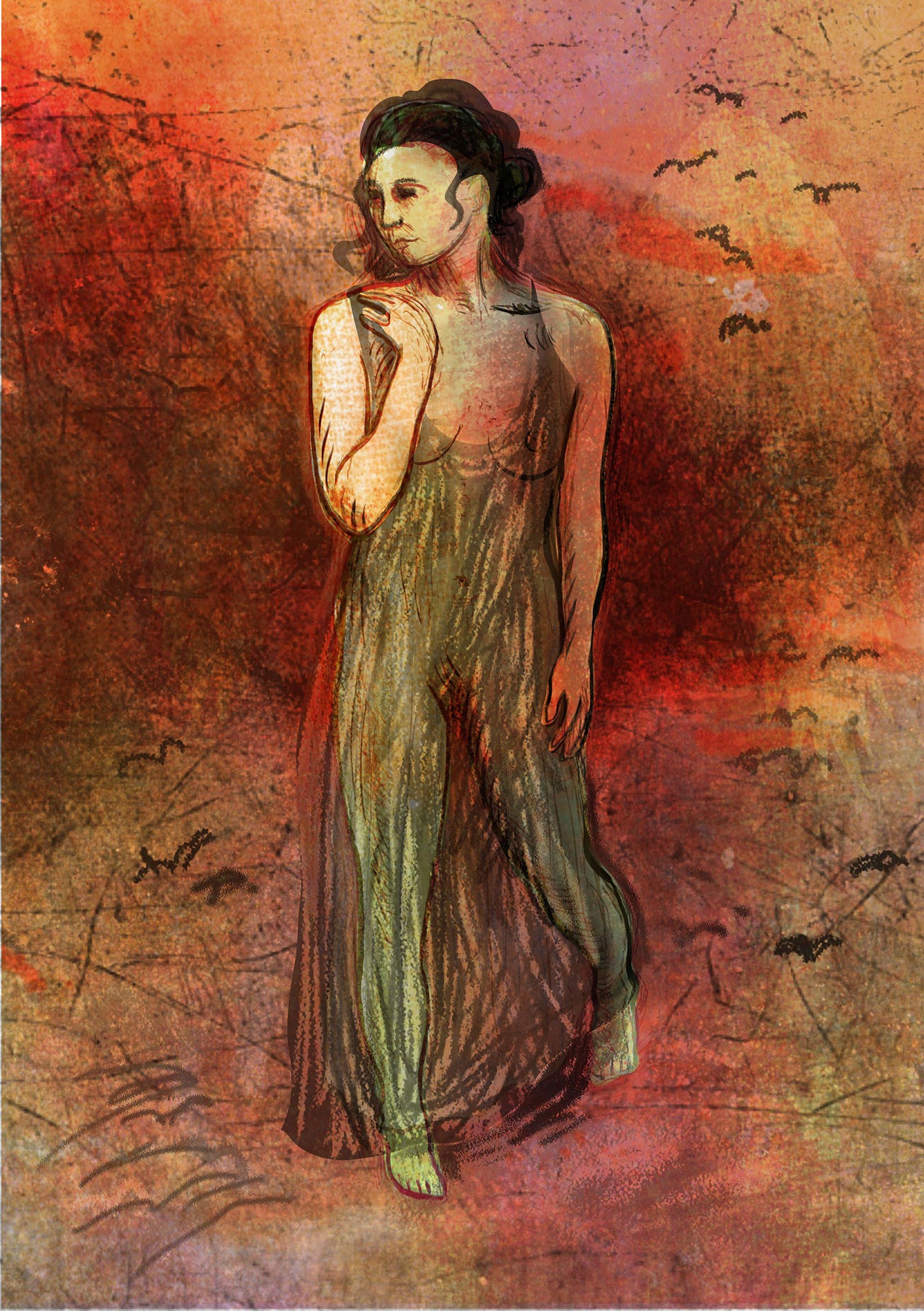
Muslin Veil
We meet Again
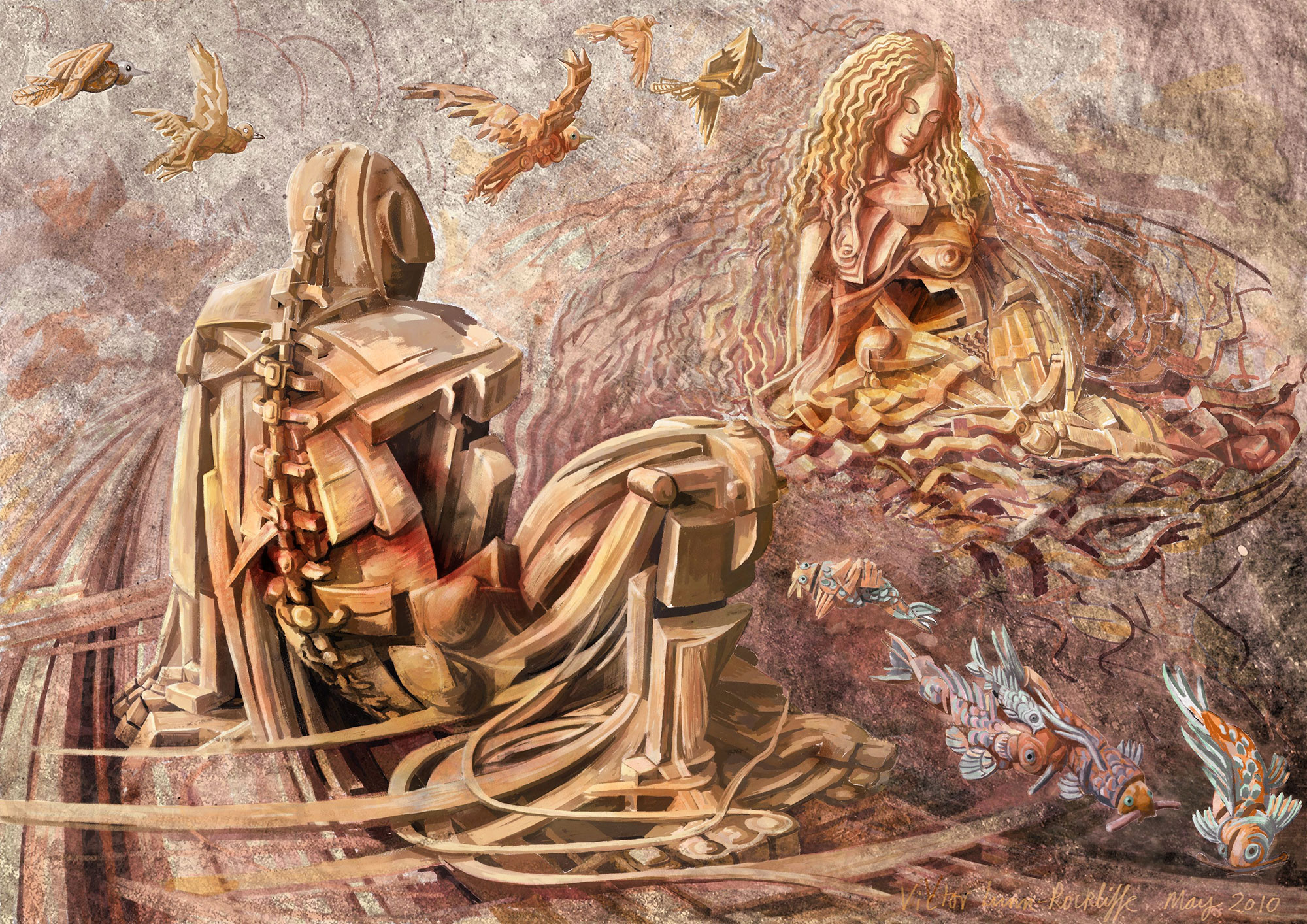
Sitting
Three Graces
Penny’s Decision
Theo Transformed
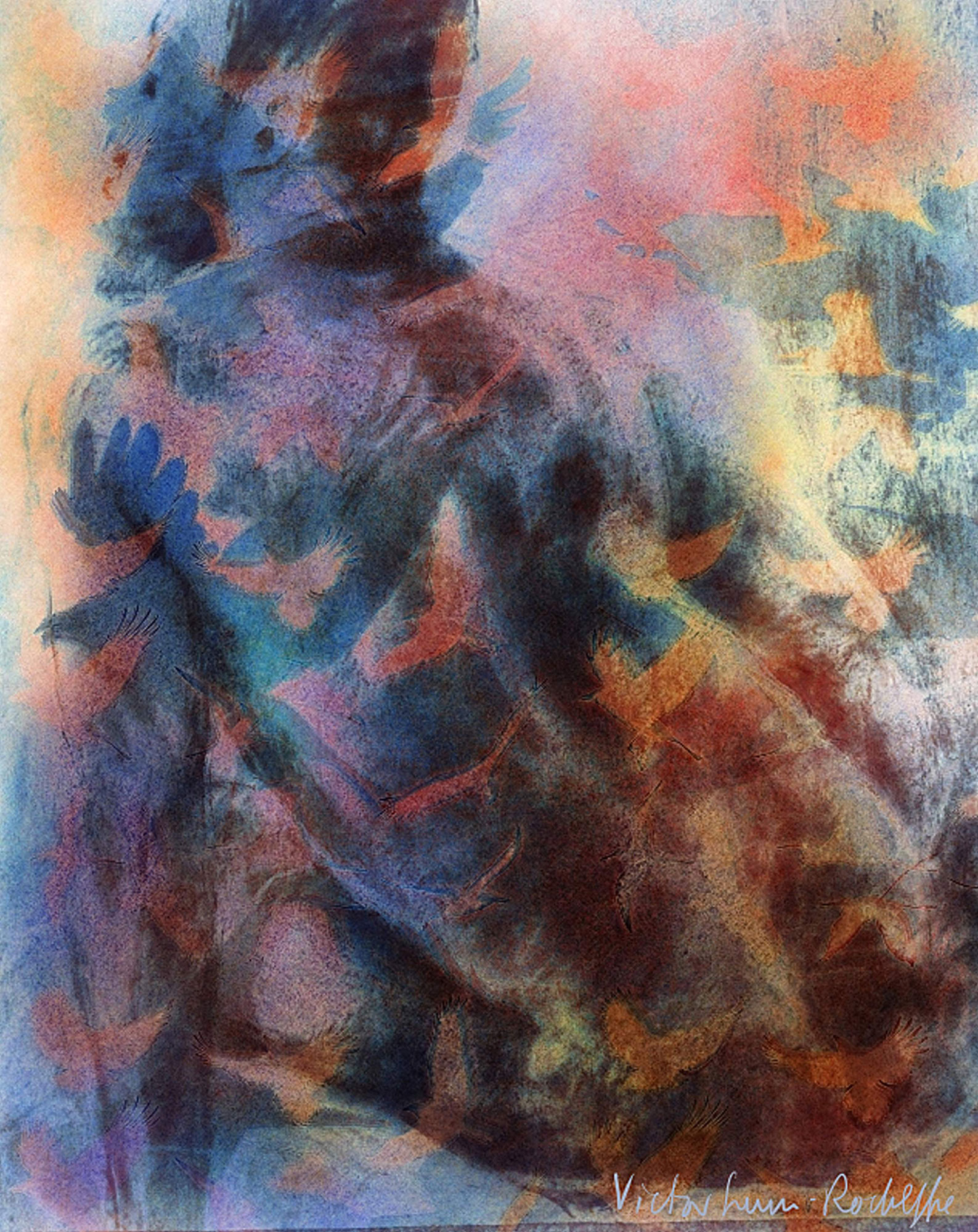
One into Many
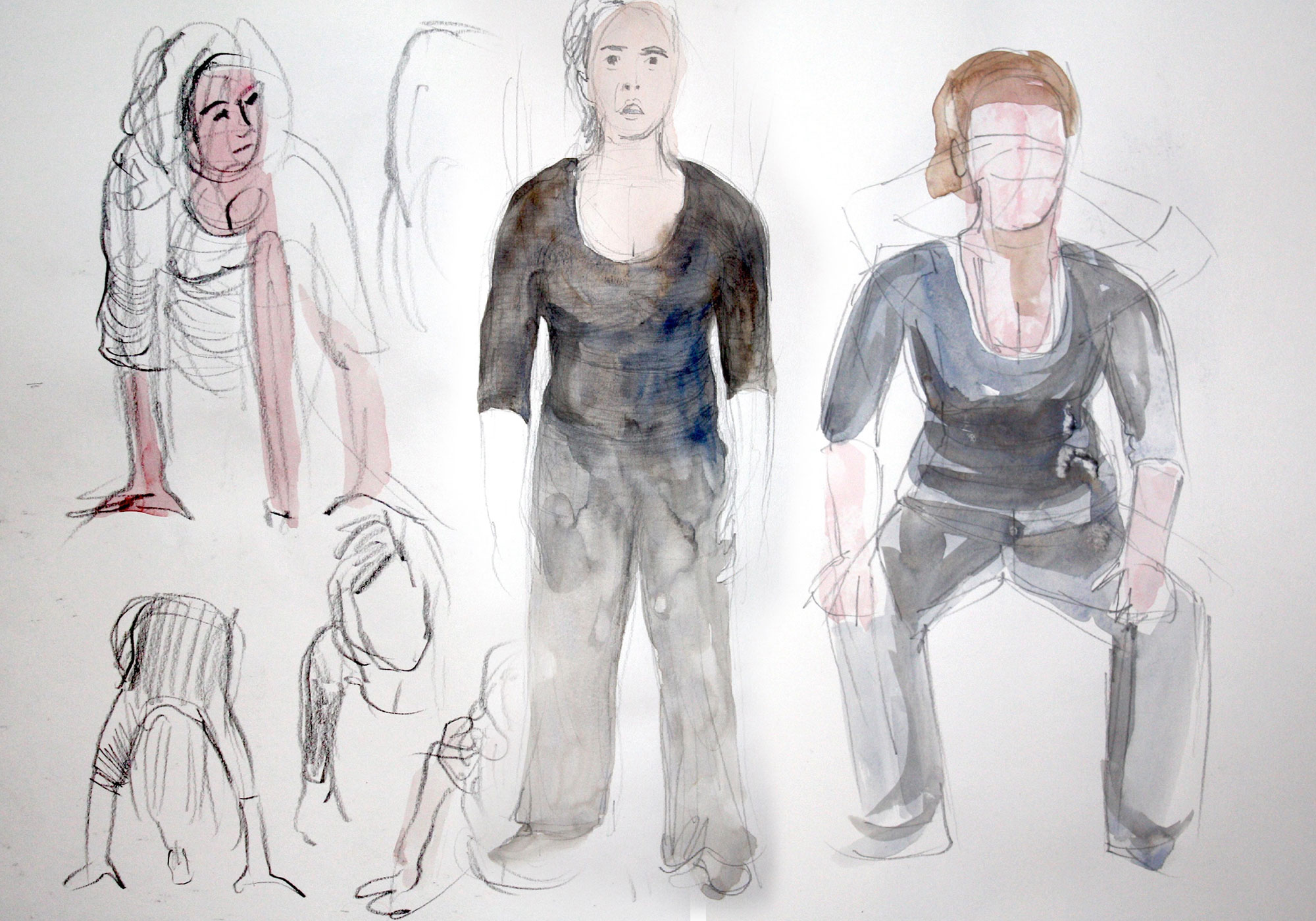
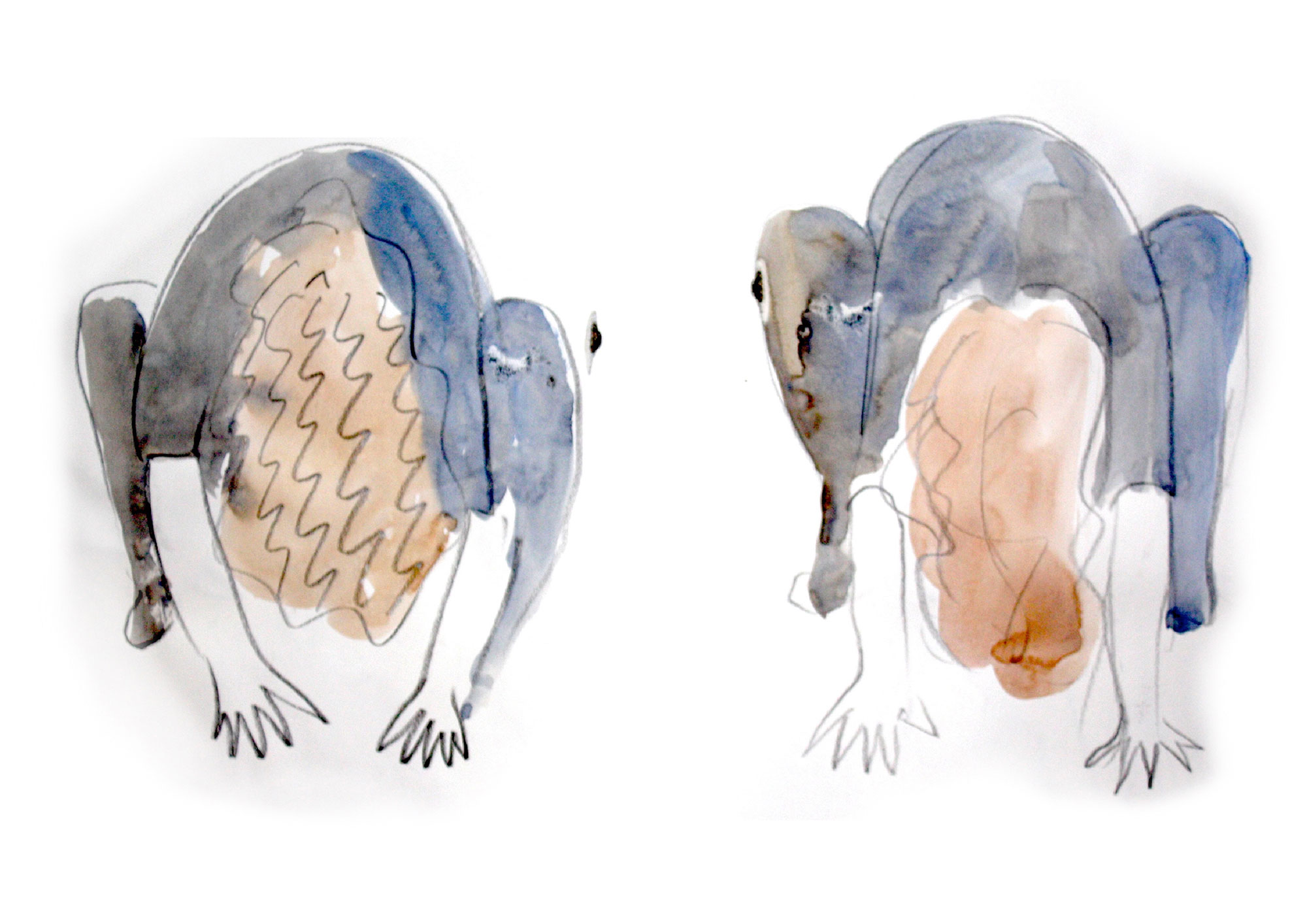
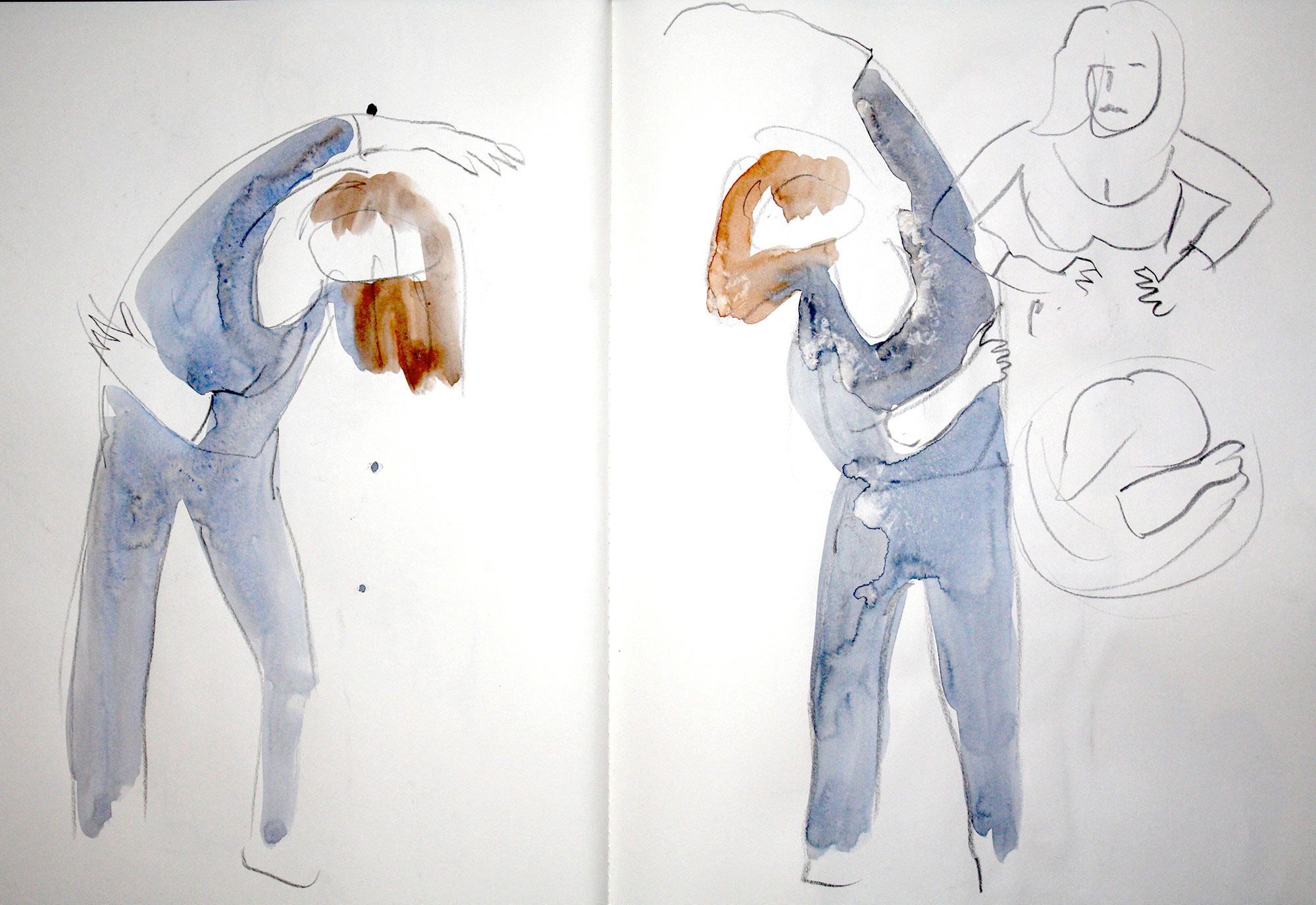
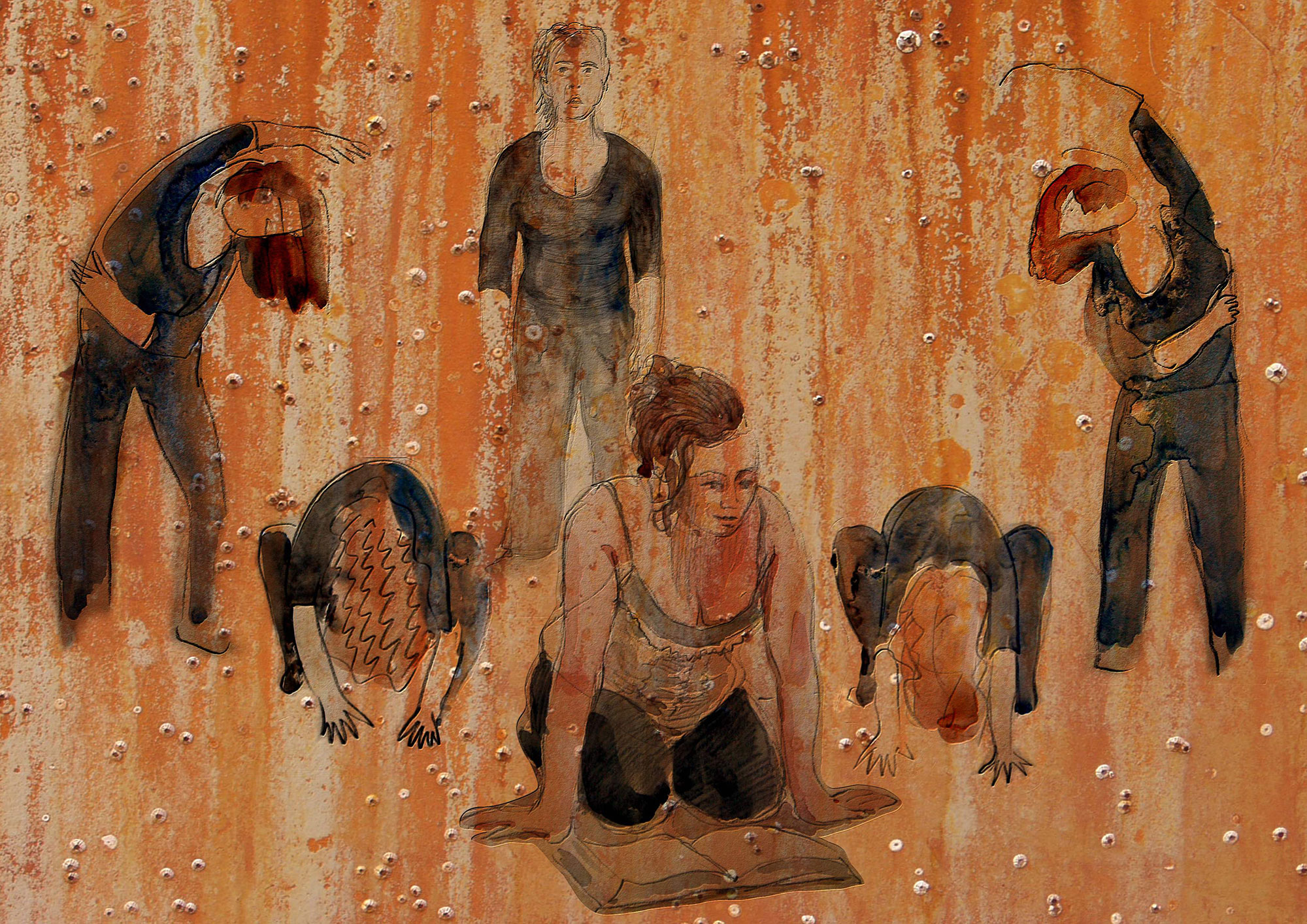
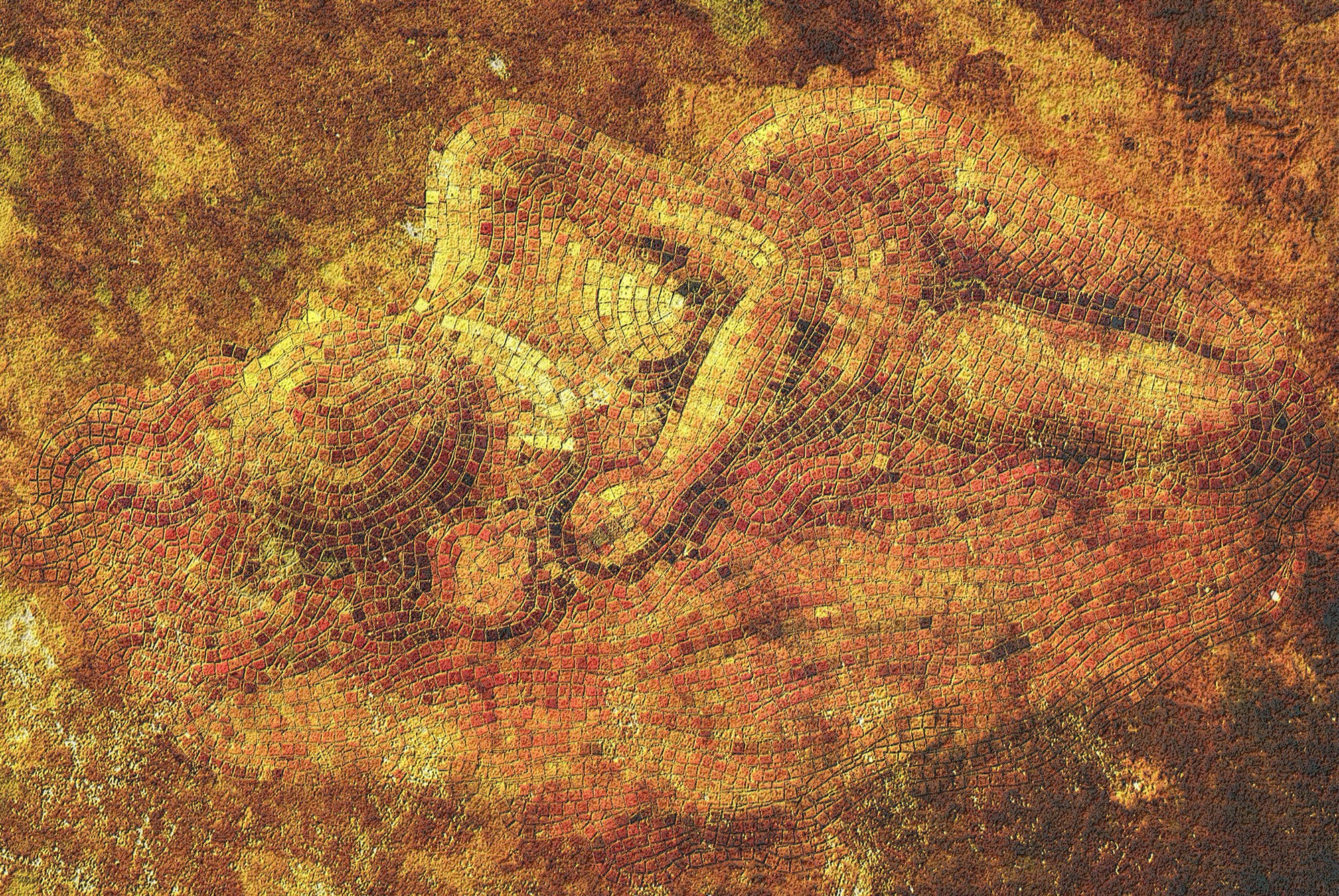
Sleeping Woman Mosaic
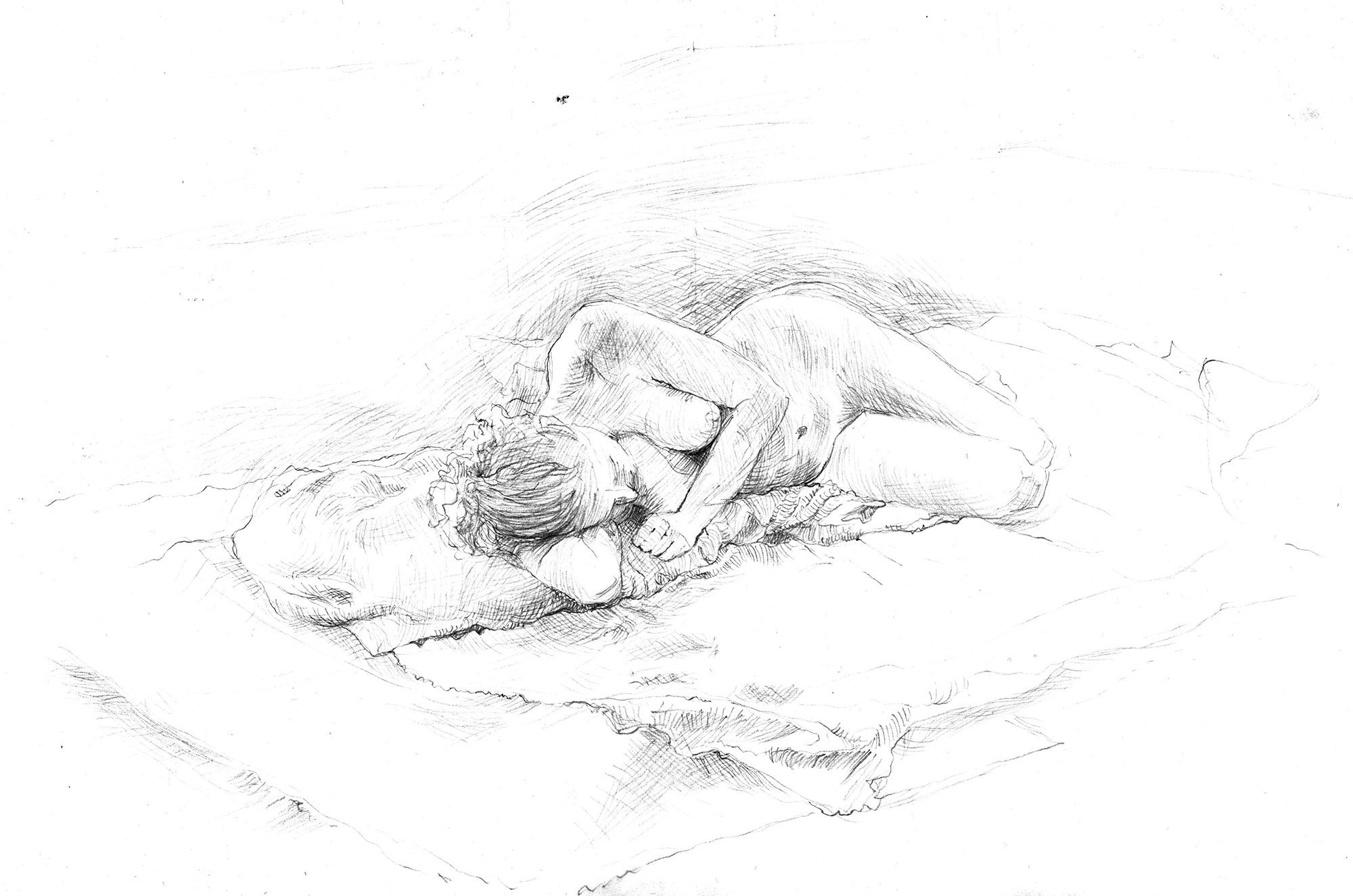
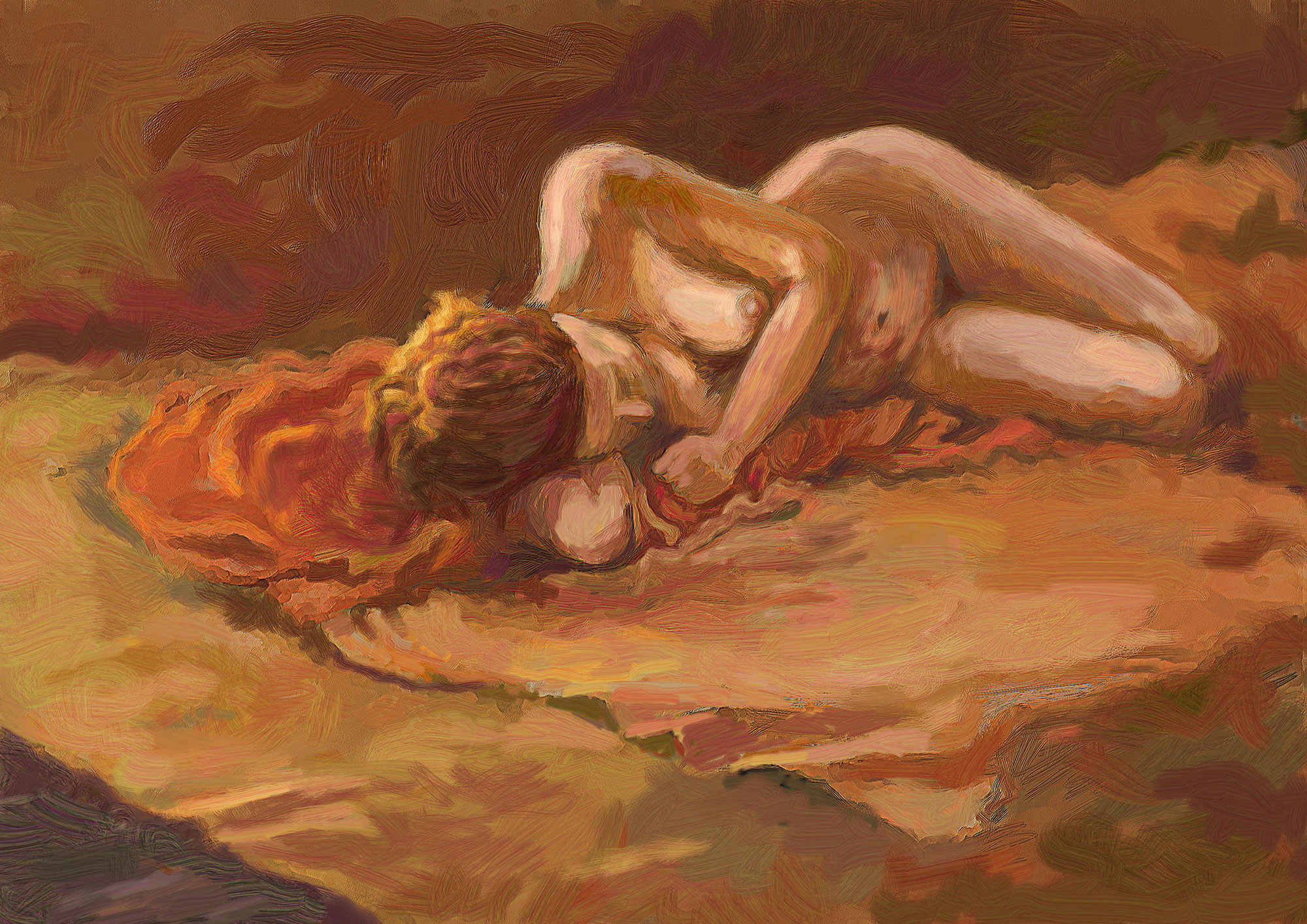
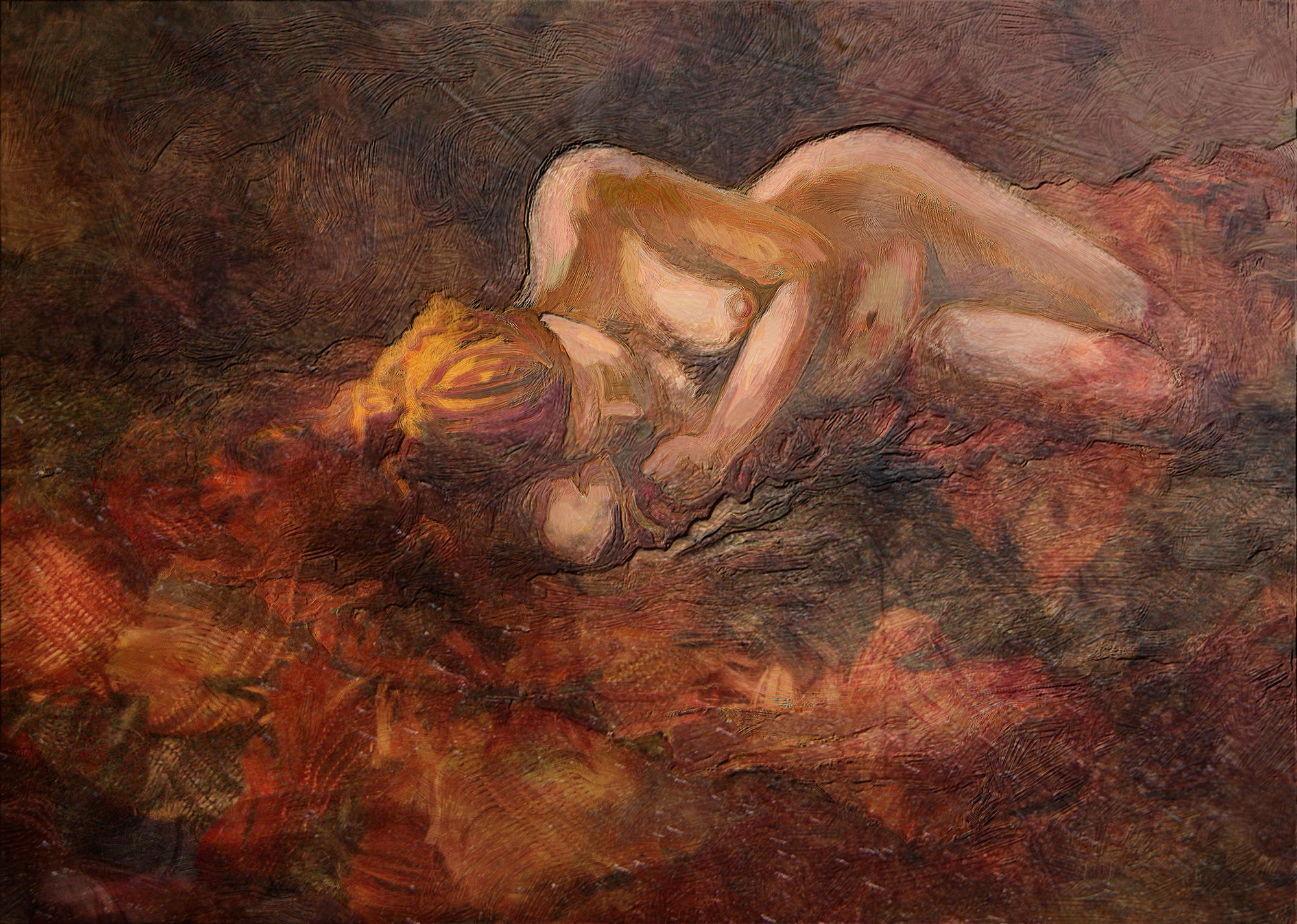
For Better or Worse